
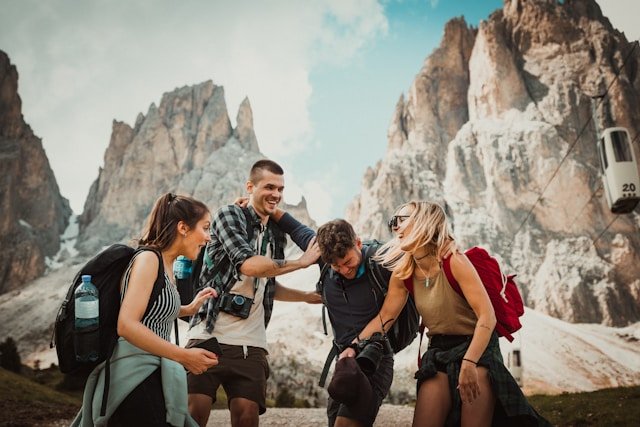
Planning a trip can be both exciting and overwhelming, especially if it’s your first time traveling to a new destination. From choosing where to go and booking flights to packing efficiently and creating an itinerary, every detail matters. Proper planning ensures your trip is enjoyable, stress-free, and memorable. In 2026, travelers have access to more resources, tools, and tips than ever before to make trip planning seamless.
This step-by-step guide will walk you through the essential process of planning a trip, providing practical advice for first-time and experienced travelers alike.
Step 1: Decide Your Destination
The first step in trip planning is choosing where you want to go. Your destination will shape your itinerary, budget, and travel experience.
Tips for Choosing a Destination
- Consider your interests: beaches, mountains, cities, or cultural experiences
- Factor in the season and weather conditions
- Evaluate travel restrictions or visa requirements
- Research affordability and accommodation options
Taking time to choose the right destination sets the foundation for a successful trip.
Step 2: Set Your Budget
Determining your budget early helps guide your decisions on flights, accommodation, activities, and meals.
Budgeting Tips
- Break down expenses: transportation, lodging, food, activities, and souvenirs
- Allocate funds for emergencies or unexpected costs
- Use travel budgeting apps to track expenses
- Research average costs at your destination
A clear budget allows you to enjoy your trip without financial stress.
Step 3: Choose Travel Dates
Your travel dates impact flight prices, accommodation availability, and overall experience.
Tips for Selecting Dates
- Travel during off-peak seasons for lower costs and fewer crowds
- Consider local holidays or events that might affect availability
- Check weather patterns to ensure comfortable conditions
Selecting the right dates enhances both affordability and enjoyment.
Step 4: Book Flights and Transportation
Flights are often the most expensive part of a trip, so booking strategically is essential.
Flight Booking Tips
- Compare prices across multiple booking platforms
- Set up alerts for deals or fare drops
- Book early for popular destinations to secure better rates
Transportation Tips
- Research local transportation options: trains, buses, car rentals, or ride-sharing
- Consider multi-city passes or public transport cards
- Factor in travel time between airports, hotels, and attractions
Efficient transportation planning saves money and reduces stress.
Step 5: Reserve Accommodation
Choosing the right place to stay is critical for comfort, convenience, and budget.
Accommodation Tips
- Decide between hotels, hostels, guesthouses, or vacation rentals
- Check reviews and ratings for safety and cleanliness
- Consider location relative to attractions and transportation
- Book early to secure the best rates and options
Staying in a convenient and comfortable location ensures a better overall experience.
Step 6: Research Attractions and Activities
Identifying what to see and do helps you create an organized itinerary.
Tips for Planning Activities
- Make a list of must-see attractions and experiences
- Include free or low-cost activities to balance expenses
- Prioritize activities based on your interests and time available
- Leave some flexibility for spontaneous experiences
A well-planned itinerary ensures you maximize your trip without feeling rushed.
Step 7: Prepare Travel Documents
Having all necessary documents ready is essential to avoid disruptions during travel.
Essential Travel Documents
- Passport and visa (if required)
- Travel insurance details
- Flight, accommodation, and activity confirmations
- Emergency contacts and local embassy information
Organizing documents ahead of time prevents last-minute stress.
Step 8: Pack Efficiently
Packing smartly ensures you have everything you need without excess baggage.
Packing Tips
- Make a checklist of essentials: clothing, toiletries, electronics, and medications
- Pack versatile clothing suitable for different activities
- Use packing cubes to stay organized and save space
- Include a small backpack for daily excursions
Efficient packing improves mobility and makes your trip more comfortable.
Step 9: Plan for Safety and Health
Traveling safely and staying healthy are priorities for a smooth trip.
Safety and Health Tips
- Keep valuables secure and avoid risky areas
- Stay aware of local customs and emergency procedures
- Carry medications and a basic first-aid kit
- Drink water, eat properly, and get adequate rest
Being proactive about safety and health allows you to enjoy your trip without issues.
Step 10: Set an Itinerary and Flexible Schedule
Organizing your time ensures you cover key attractions while leaving room for spontaneity.
Itinerary Tips
- Allocate realistic time for travel, meals, and sightseeing
- Include rest periods to avoid fatigue
- Identify backup activities in case of weather or closures
- Use apps or travel journals to track your schedule
A structured yet flexible plan helps balance enjoyment with practicality.
Step 11: Learn About Local Culture and Etiquette
Understanding the culture enhances your experience and prevents misunderstandings.
Cultural Tips
- Learn basic phrases in the local language
- Research customs, tipping practices, and etiquette
- Observe local behaviors and adapt respectfully
- Attend cultural events or festivals for immersive experiences
Respecting local culture enriches your travel experience and creates meaningful connections.
Step 12: Prepare Financially
Managing money efficiently ensures you don’t overspend while traveling.
Financial Tips
- Carry a mix of cash and cards for convenience
- Use travel-friendly cards with low foreign transaction fees
- Track expenses to stay within your budget
- Keep small denominations for local purchases
Proper financial preparation makes traveling stress-free and enjoyable.
Step 13: Make Contingency Plans
Unexpected situations can occur, so having backup plans is wise.
Contingency Tips
- Research alternative routes or transport options
- Identify local hospitals or pharmacies in case of emergencies
- Keep digital copies of travel documents
- Have extra funds or credit available for emergencies
Being prepared for the unexpected allows you to handle issues calmly.
Step 14: Stay Connected
Keeping in touch with family, friends, or colleagues adds security and convenience.
Connectivity Tips
- Purchase a local SIM card or international plan
- Use messaging and navigation apps for easy communication
- Share your itinerary with trusted contacts
Staying connected enhances safety and provides peace of mind.
Step 15: Enjoy the Experience
After all the planning, the most important step is to enjoy your trip.
Tips for Enjoyment
- Be present and embrace new experiences
- Take photos and journal your memories
- Interact with locals to deepen cultural understanding
- Stay flexible and open to unexpected adventures
Traveling is not just about reaching a destination—it’s about creating lasting memories.
Final Thoughts
Planning a trip step by step ensures a smooth, enjoyable, and memorable experience. From selecting a destination and budgeting to booking flights, packing efficiently, and exploring local culture, each step contributes to a well-rounded adventure.
With careful preparation, flexibility, and an open mind, your trips in 2026 can be stress-free, affordable, and full of unforgettable moments. Following these steps helps first-time and experienced travelers alike make the most of every journey, turning each trip into a cherished memory.