
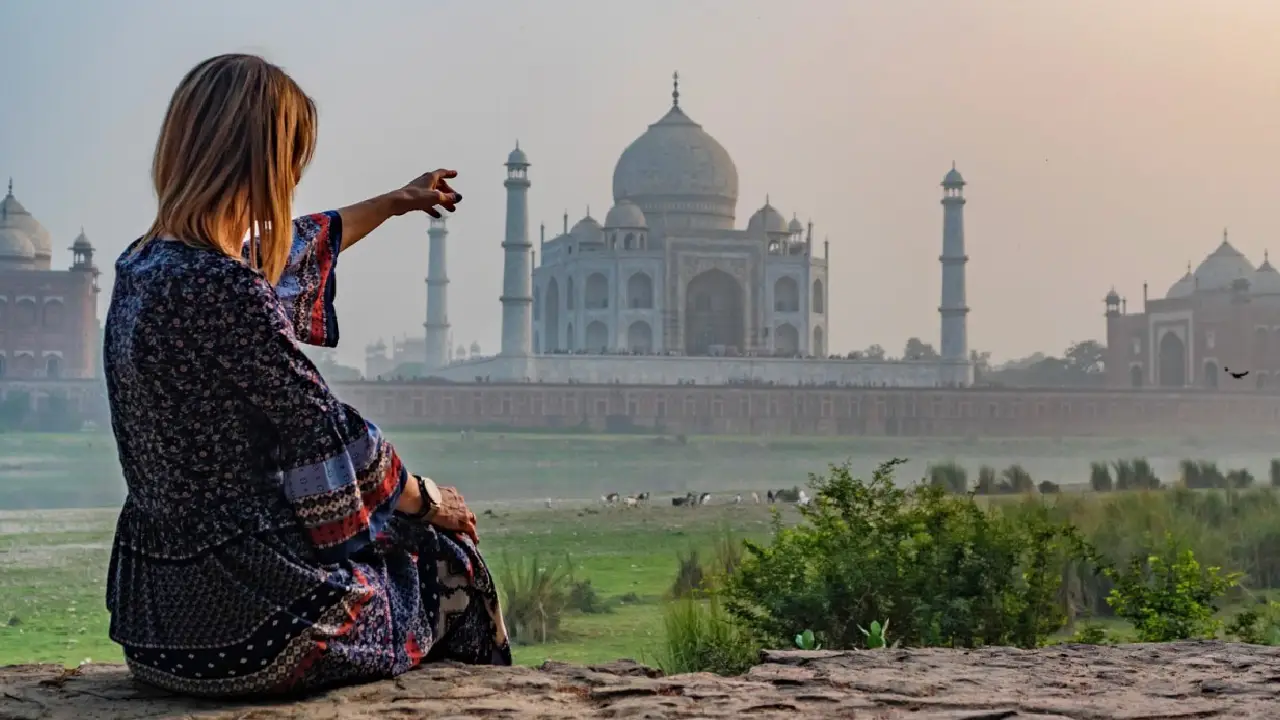
I still remember the days when planning a trip meant visiting a local travel agent, flipping through brochures, and trusting someone else to build my itinerary.
Today, my entire trip – from flights to homestays – is booked on my phone within minutes.
This shift didn’t happen overnight.
It’s part of a much bigger transformation happening in India’s travel ecosystem – one that I recently explored in depth after reading insights about the rapid growth of online travel and OTA (Online Travel Agency) platforms.
And honestly, it made me reflect on how deeply digital platforms have reshaped the way I – and millions of Indians – travel.
Table of Contents
1. The Rise of Online Travel in India
India’s online travel market has grown at an incredible pace over the past decade.
According to recent industry insights, the sector is witnessing strong expansion driven by:
- Increased internet penetration
- Affordable smartphones
- Rising middle-class income
- Growing travel aspirations
Today, more than 70% of travel bookings in urban India happen online, a number that continues to rise every year.
For someone like me, this feels completely natural – but it’s actually a massive shift from just 10–15 years ago.
2. What Are OTA Platforms and Why They Matter
OTA platforms are essentially digital marketplaces where travelers can:
- Book flights
- Reserve hotels
- Plan complete packages
- Compare prices instantly
In India, platforms like MakeMyTrip, Yatra, and EaseMyTrip dominate the space.
These platforms have simplified travel planning in ways I couldn’t have imagined earlier.
Instead of relying on agents, I now rely on algorithms, reviews, and real-time pricing.
3. The Numbers That Show the Boom
What really caught my attention was the scale of growth.
The Indian online travel market is expected to grow at a compound annual growth rate (CAGR) of over 10–12% in the coming years.
Key contributors include:
- Domestic travel demand
- Rise in budget airlines
- Increasing hotel inventory online
- Expansion of Tier-2 and Tier-3 travelers
This isn’t just growth – it’s a transformation of how an entire country travels.
4. My Personal Shift to Digital Travel Planning
If I look at my own journey as a traveler:
- Earlier: I depended on agents and fixed itineraries
- Now: I create flexible, customized trips
Today, I:
- Compare 10+ hotel options in minutes
- Read hundreds of reviews before booking
- Track flight price trends
This level of control simply didn’t exist before.
5. The Role of Smartphones in This Revolution
One of the biggest drivers of this growth is smartphone usage.
India has over 750 million smartphone users, and a significant portion of them actively use travel apps.
For me, my phone has become:
- A booking platform
- A navigation tool
- A travel guide
Everything is integrated into one device.
6. How Tier-2 and Tier-3 Cities Are Changing the Game
Earlier, online travel was dominated by metro cities.
But now, smaller cities are leading the next wave of growth.
Travelers from places like:
- Surat
- Indore
- Nagpur
- Rajkot
are increasingly booking trips online.
This shift is driven by:
- Better internet access
- Rising income levels
- Exposure to travel content
As someone from Gujarat, I’ve seen this change firsthand.
7. The Power of Price Comparison
One feature that completely changed my booking behavior is price comparison.
OTA platforms allow me to:
- Compare multiple airlines
- Check hotel rates across dates
- Find deals instantly
This transparency has made travel more accessible.
It’s no longer about “what’s available” – it’s about “what’s best.”
8. The Influence of Reviews and Ratings
Before booking any stay, I always check:
- User reviews
- Ratings
- Photos uploaded by travelers
This has become a crucial part of decision-making.
In fact, studies show that over 80% of travelers rely on reviews before booking.
This has also pushed hotels and homestays to improve quality.
9. The Rise of Budget Travel Platforms
Another interesting trend is the growth of budget-focused platforms.
Companies like OYO have made affordable stays more accessible.
This has:
- Standardized budget accommodation
- Increased travel frequency
- Encouraged spontaneous trips
For budget travelers like me, this has been a game changer.
10. The Impact of COVID-19 on Digital Travel
The pandemic initially slowed down travel – but it accelerated digital adoption.
Post-COVID, I noticed:
- More contactless bookings
- Increased use of apps
- Preference for online transactions
Travelers now prefer minimal physical interaction, which further boosts OTA platforms.
11. Personalized Travel Experiences
One feature I’ve started noticing recently is personalization.
Platforms now:
- Suggest destinations based on my searches
- Recommend hotels within my budget
- Offer curated travel packages
It feels like the platform understands my travel style.
12. The Growth of Domestic Tourism
Domestic travel is a major driver of online bookings.
India has seen a surge in:
- Weekend getaways
- Road trips
- Rural tourism
As a travel blogger, I’ve noticed more people exploring:
- Local destinations
- Offbeat locations
- Short-duration trips
And most of these are booked online.
13. Payment Innovations Making Travel Easier
Digital payments have played a huge role in this transformation.
With options like:
- UPI
- Wallets
- EMI payments
Booking a trip has become financially flexible.
I can now:
- Book instantly
- Pay later
- Split payments
This removes a major barrier to travel.
14. Challenges Still Facing the Industry
Despite the growth, the online travel market still faces challenges:
- Price fluctuations
- Cancellation complexities
- Over-reliance on discounts
I’ve personally faced situations where:
- Prices changed within minutes
- Refunds took time
So while the system is efficient, it’s not perfect.
15. The Future of Online Travel in India
Looking ahead, I see even more innovation coming.
Possible developments include:
- AI-driven travel planning
- Voice-based booking systems
- Integrated travel ecosystems
The industry is evolving rapidly, and we’re just getting started.
Conclusion: Travel Has Become More Personal Than Ever
After reflecting on all these changes, one thing is clear to me: Travel in India is no longer just about destinations – it’s about how you plan the journey.
Online travel platforms have:
- Given travelers more control
- Made booking faster and easier
- Opened up new possibilities
As someone who lives and breathes travel, I can confidently say: This digital shift has made travel more accessible, flexible, and personalized than ever before.
And honestly, I can’t imagine going back to the old way. Because today, my next adventure is always just a few taps away.