As a travel blogger, I’ve explored India through flights, trains, bikes, and even long road trips. But if there’s one mode of transport that truly connects me with the everyday life of a city, it’s the humble city bus.
Over the years, I’ve intentionally used public bus systems in multiple Indian cities – not just to save money, but to understand how people move, commute, and live. And what I discovered surprised me.
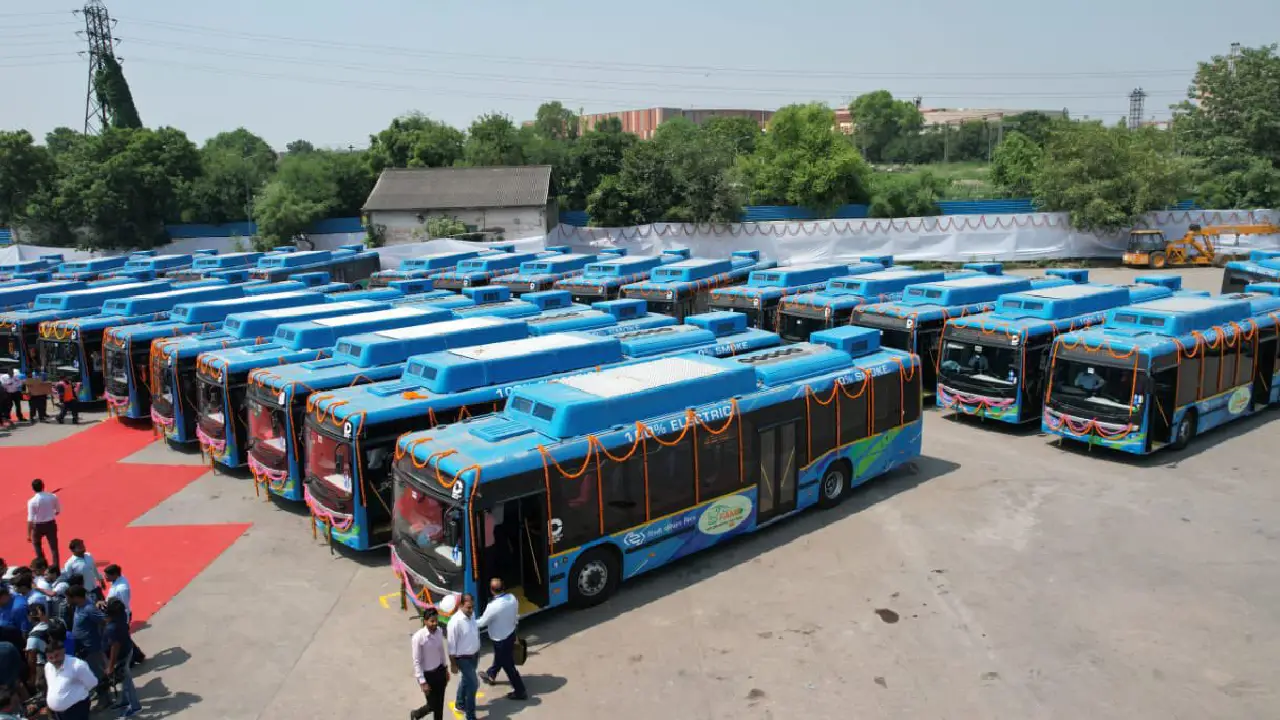
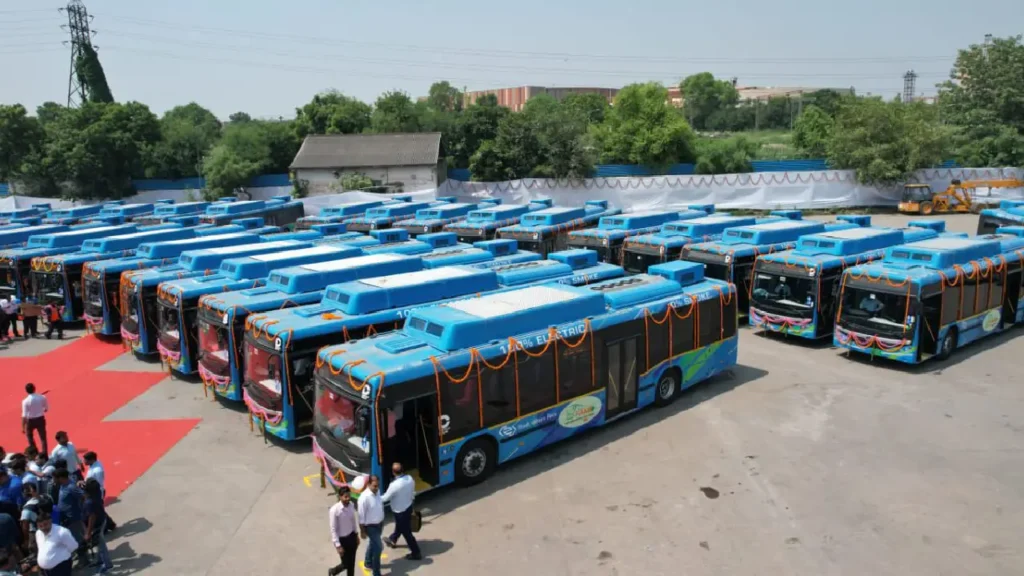
India’s city bus services are evolving rapidly. With electric fleets, digital ticketing, and improved infrastructure, many cities are building systems that are efficient, affordable, and increasingly sustainable.
Here, I’m sharing my first-hand experiences and insights into some of the top city bus services in India, backed by data, real observations, and practical travel advice.
Table of Contents
1. Delhi – The Backbone of Urban Mobility
My experience with Delhi Transport Corporation (DTC) and cluster buses in Delhi was eye-opening.
Delhi operates one of the largest bus networks in India, with over 7,000 buses including electric and CNG fleets.
What impressed me most:
- Free bus travel scheme for women
- Growing electric bus adoption
- Extensive route coverage
Daily ridership crosses 3–4 million passengers, making it one of the busiest systems in the country.
Despite traffic challenges, I found Delhi’s bus network reliable for budget travel.
2. Mumbai – Lifeline Beyond Local Trains
In Mumbai, while local trains dominate, I found the BEST buses equally important.
BEST operates around 3,000+ buses, including a growing number of electric buses.
What stood out for me:
- Strong connectivity across suburbs
- Affordable fares (starting as low as ₹5–₹10)
- Integration with metro and local trains
Daily ridership is around 2.5–3 million passengers.
For short distances, I often preferred buses over crowded trains.
3. Bengaluru – Tech City’s Smart Bus Network
When I explored Bengaluru, I relied heavily on BMTC.
BMTC operates over 6,500 buses, serving a city known for traffic congestion.
What I liked:
- Volvo AC buses (Vayu Vajra for airport routes)
- Digital passes and smart cards
- Wide coverage across tech hubs
Daily ridership touches 3.5–4 million passengers.
Despite traffic, buses remain a practical option for budget travelers.
4. Ahmedabad – My Home City’s Growing Strength
Being familiar with Ahmedabad, I’ve seen the transformation of AMTS and the BRTS system.
Ahmedabad’s BRTS (Janmarg) is particularly impressive:
- Dedicated bus lanes
- Faster travel time
- Modern stations
The city operates 1,000+ buses, with daily ridership exceeding 1 million passengers.
For me, BRTS is one of the most efficient ways to travel within the city.
5. Chennai – Consistency and Scale
In Chennai, I used services operated by MTC Chennai.
This network has:
- Over 3,200 buses
- Extensive suburban connectivity
- Affordable ticket pricing
Daily ridership crosses 4 million passengers.
What I appreciated most was consistency – buses may be crowded, but they are frequent and dependable.
6. Hyderabad – Rapid Modernization
Traveling in Hyderabad, I noticed how quickly the system is modernizing.
Operated by TSRTC, the city has:
- Around 4,000 buses
- Increasing electric fleet
- App-based tracking
Daily ridership is estimated at 3 million passengers.
The integration with metro services makes travel smoother.
7. Kolkata – Heritage Meets Functionality
In Kolkata, buses are deeply rooted in the city’s culture.
Operated by WBTC, the system includes:
- Traditional diesel buses
- Electric buses
- Private bus operators
Daily ridership exceeds 5 million passengers when including private buses.
What fascinated me was how buses coexist with trams and metro – offering diverse travel options.
8. Pune – Fast-Growing Urban Transport
In Pune, I used PMPML buses.
With around 2,000+ buses, Pune is rapidly improving its system.
Key highlights:
- Expansion of electric buses
- Integration with metro
- Affordable fares
Daily ridership is around 1.5–2 million passengers.
9. Jaipur – Tourism Meets Public Transport
While exploring Jaipur, I found Jaipur City Transport Services Limited quite useful.
The fleet includes:
- Standard buses
- Low-floor buses
- Electric buses
Daily ridership is around 0.5–1 million passengers.
For tourists, buses are a budget-friendly way to explore the Pink City.
10. Kochi – A Model for Sustainable Transport
In Kochi, I experienced one of the most integrated systems.
Buses, metro, and water transport work together.
Operated by KSRTC, the system is:
- Eco-friendly
- Well-connected
- Tourist-friendly
Kochi is a great example of multimodal transport.
What I Learned From Using City Buses Across India
After traveling across these cities, here are my key takeaways:
1. Buses Are Still India’s Most Affordable Transport
In almost every city, fares start as low as ₹5–₹20.
This makes buses the most accessible mode of transport for millions.
2. Daily Ridership Shows Their Importance
Across major cities, combined daily ridership exceeds 30–40 million passengers.
That’s massive.
It shows how essential buses are to urban life.
3. Electric Buses Are the Future
Almost every city I visited is investing in electric buses.
Benefits include:
- Reduced pollution
- Lower operating costs
- Better passenger comfort
India is aiming for thousands of electric buses under government schemes.
4. Digital Transformation Is Improving Experience
I noticed improvements like:
- Mobile ticketing apps
- GPS tracking
- Smart cards
These small changes make a big difference for travelers.
5. Challenges Still Exist
Despite progress, I also faced some issues:
- Overcrowding during peak hours
- Delays due to traffic
- Lack of real-time updates in some cities
But these challenges are gradually being addressed.
My Personal Tips for Travelers Using City Buses
If you plan to explore cities like I did, here’s what I recommend:
1. Travel during non-peak hours
Avoid rush hours for a better experience.
2. Keep small change or digital payment ready
Not all buses accept cards.
3. Use navigation apps
They help identify routes easily.
4. Be patient
Public transport reflects real city life.
Why I Recommend City Buses to Every Traveler
Using buses changed how I see cities.
Instead of just visiting attractions, I experienced:
- Local culture
- Daily routines
- Real interactions
It made my travel more authentic.
Conclusion: The Real India Travels by Bus
After exploring India through its bus systems, I can say this with confidence:
City buses are not just transport – they are the heartbeat of urban India.
They connect millions of people every day, support economies, and are evolving with modern technology. For me, traveling by bus is not always the fastest or most comfortable option – but it is always the most real. So the next time you visit any Indian city, skip a cab once.
Hop on a bus.
Because sometimes, the best stories are found not at destinations but in the journey between stops.