A few weeks ago, I was casually planning an international trip – just like I’ve done many times before.
Passport? Check.
Visa? In process.
Flight tickets? Almost booked.
Then suddenly, my feed was flooded with one confusing claim: “Indians now need a tax clearance certificate before traveling abroad.”
For a moment, even I paused. As someone who travels frequently and writes about it, this felt like a major shift. Was international travel about to become more bureaucratic?
So I decided to dig deeper – not just as a blogger, but as a traveler who wants clarity.
Table of Contents
1. Where the Confusion Started
The confusion didn’t come from an official announcement – it came from a viral social media claim.
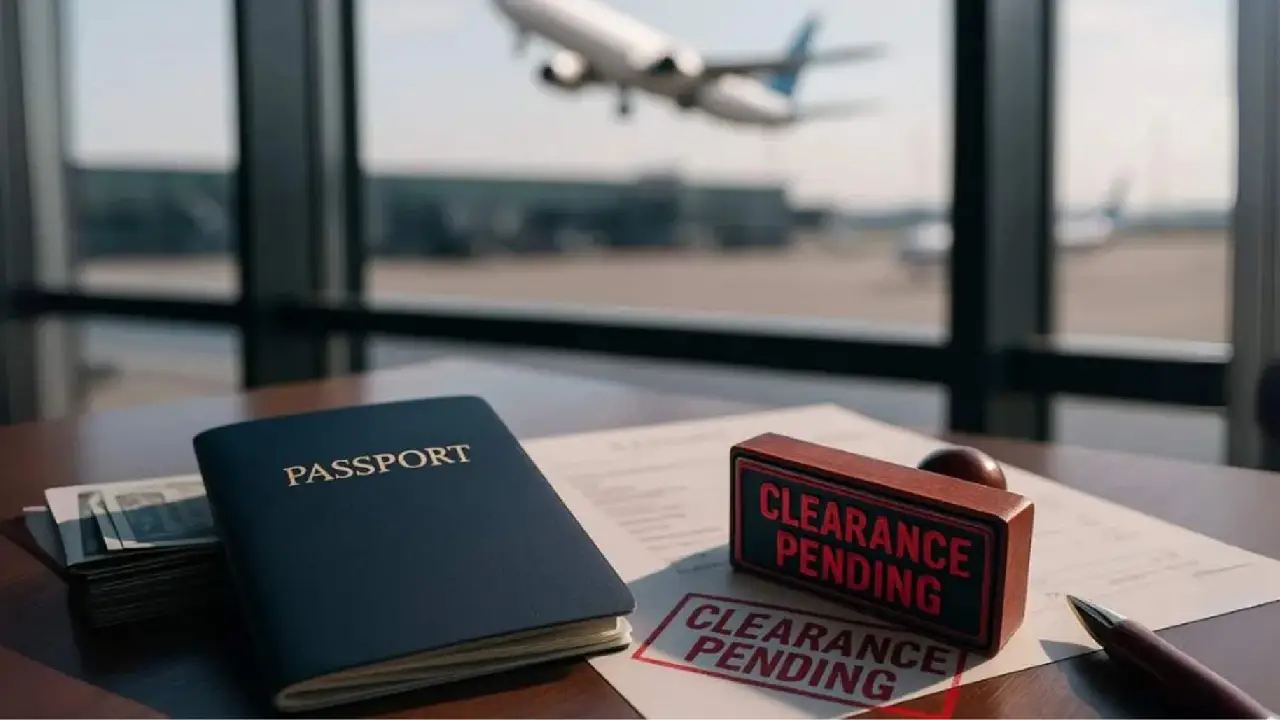
An influencer suggested that every Indian traveler would need an Income Tax Clearance Certificate (ITCC) before leaving the country.
Naturally, panic followed.
But here’s what I discovered:
– The claim was incorrect
– The government officially clarified it
Authorities confirmed that there is no new rule requiring all Indians to obtain a tax clearance certificate before traveling abroad.
That instantly changed the narrative.
2. So What Is an Income Tax Clearance Certificate (ITCC)?
Before reacting to the rumor, I realized something important: Most people don’t even know what an ITCC actually is.
In simple terms: It’s a document issued by tax authorities confirming that a person has cleared their tax liabilities.
It’s not a travel document like a passport or visa. It’s more of a financial compliance certificate.
3. The Truth: Do You Need It for Foreign Travel?
Here’s the most important takeaway from everything I researched: No, most Indian travelers do NOT need an ITCC to travel abroad.
The government has clearly stated that:
- There is no blanket requirement
- The rules remain unchanged
- Regular tourists are not affected
So if you’re planning a holiday, business trip, or short visit – this rule does not apply to you.
4. Then Why Does This Rule Even Exist?
This is where things get interesting. The ITCC requirement does exist – but only in specific cases.
According to tax provisions:
- It applies to individuals flagged by authorities
- It may be required if someone has serious tax dues or is under investigation
- It can also apply in special financial situations
So this is not a general rule – it’s a targeted compliance measure.
5. The New Forms That Created the Panic
Part of the confusion came from new tax-related forms introduced under updated rules.
These include:
- Form 158 (application for clearance)
- Form 159 (certificate issued after approval)
These forms are linked to specific individuals identified by tax authorities – not the general public.
But when people saw new forms being introduced, they assumed it applied to everyone. That’s where misunderstanding began.
6. My Personal Reaction as a Frequent Traveler
Honestly, when I first heard about this, I imagined long queues at airports, extra paperwork, and last-minute stress.
Because let’s face it – travel is already full of:
- Visa rules
- Immigration checks
- Documentation
Adding tax clearance to that list would have been overwhelming. But once I understood the truth, it actually reassured me.
7. What You Actually Need Before Traveling Abroad
Let me simplify things from a traveler’s perspective.
For most Indians, the essentials remain:
- Valid passport
- Visa (if required)
- Flight tickets
- Basic financial proof
In some cases, you may need to provide your PAN details and travel purpose, but not a tax clearance certificate. So nothing major has changed.
8. Who Might Actually Need an ITCC?
Based on official clarifications and tax rules, ITCC may apply to:
- Individuals with large pending tax liabilities
- People under tax investigation
- Certain non-residents earning income in India
- Individuals specifically directed by tax authorities
These are exceptional cases, not everyday travelers.
9. Why This News Spread So Quickly
As I analyzed the situation, I realized something bigger: Travel news spreads faster when it creates fear.
The idea that “you need extra documents to travel” instantly grabs attention. And social media amplifies that.
But this incident is a reminder that:
- Not every viral claim is accurate
- Context matters
- Official sources should always be checked
10. The Role of Government Clarification
What impressed me was how quickly authorities stepped in.
They clarified that:
- No new rule has been introduced
- Existing provisions remain the same
- Only specific individuals are affected
This helped prevent unnecessary panic among travelers.
11. My Advice to Fellow Travelers
After going through all this, here’s what I’d suggest:
1. Don’t panic over viral claims
Always verify from reliable sources.
2. Understand the context
Not every rule applies to everyone.
3. Keep your finances clean
Basic compliance always helps avoid complications.
4. Focus on actual travel requirements
Passport and visa are still your primary documents.
12. What This Means for Travel in 2026
From a broader perspective, this situation tells me something important: Travel is becoming more connected with financial and legal systems.
Governments are:
- Monitoring financial compliance
- Ensuring transparency
- Strengthening regulations
But at the same time, they are not making travel difficult for ordinary citizens.
13. The Bigger Lesson I Learned
As a travel blogger, I often focus on destinations, experiences, and itineraries.
But this news reminded me of something equally important:
Travel awareness matters. Knowing rules, understanding policies, and staying informed is part of modern travel.
14. Why This Isn’t a Travel Barrier
Even after all the noise, one thing is clear: This rule does not create a barrier for tourism.
India continues to:
- Encourage outbound travel
- Simplify processes
- Maintain standard global travel norms
So your travel plans remain unaffected.
15. My Final Thought Before Your Next Trip
If you’re planning an international trip in 2026, here’s my honest advice: Don’t overcomplicate it.
You don’t need to:
- Visit tax offices
- Apply for extra certificates
- Worry about new rules
Unless you fall into very specific categories – which most travelers don’t.
Conclusion: Travel Smart, Not Scared
After digging into this topic, I realized something simple: The biggest obstacle in travel today is not rules – it’s misinformation.
The truth is:
- No new mandatory tax clearance rule exists
- Most travelers are completely unaffected
- International travel remains as straightforward as before
As someone who lives for travel, that’s reassuring.
So the next time you hear a “new rule” that sounds complicated, do what I did: Pause. Research. Understand.
Because travel should be about exploring the world – not worrying about rumors. And trust me, your next international journey is still just as simple as it was before.