As a travel blogger who has always been deeply fascinated by spiritual routes across India and beyond, there are certain journeys that stand above the rest. One such journey is the revered Kailash Mansarovar Yatra.
So when I came across the recent update that India has officially opened registrations for around 2,000 pilgrims for the 2026 Yatra, it felt like more than just a news update – it felt like the revival of a deeply spiritual connection that had been paused for years.
For many devotees, this is not just travel. It’s a once-in-a-lifetime calling.
Table of Contents
1. Why This Announcement Matters So Much
From my understanding, the reopening of registrations marks a major step forward after disruptions in recent years. The Indian government has now resumed the structured process, allowing pilgrims to once again apply for this iconic journey.
The Yatra is expected to accommodate around 2,000 pilgrims, which shows a controlled and carefully planned approach.
And honestly, that’s important.
Because this is not a casual trip – it’s one of the most challenging and sacred pilgrimages in the world.
2. My Understanding of the Route and Structure
The Yatra traditionally operates through two main routes:
- The Lipulekh Pass route (via Uttarakhand)
- The Nathu La route (via Sikkim)
Each route offers a different experience.
From what I’ve studied and heard from past travelers:
- The Lipulekh route is more physically demanding
- The Nathu La route is relatively easier but still requires preparation
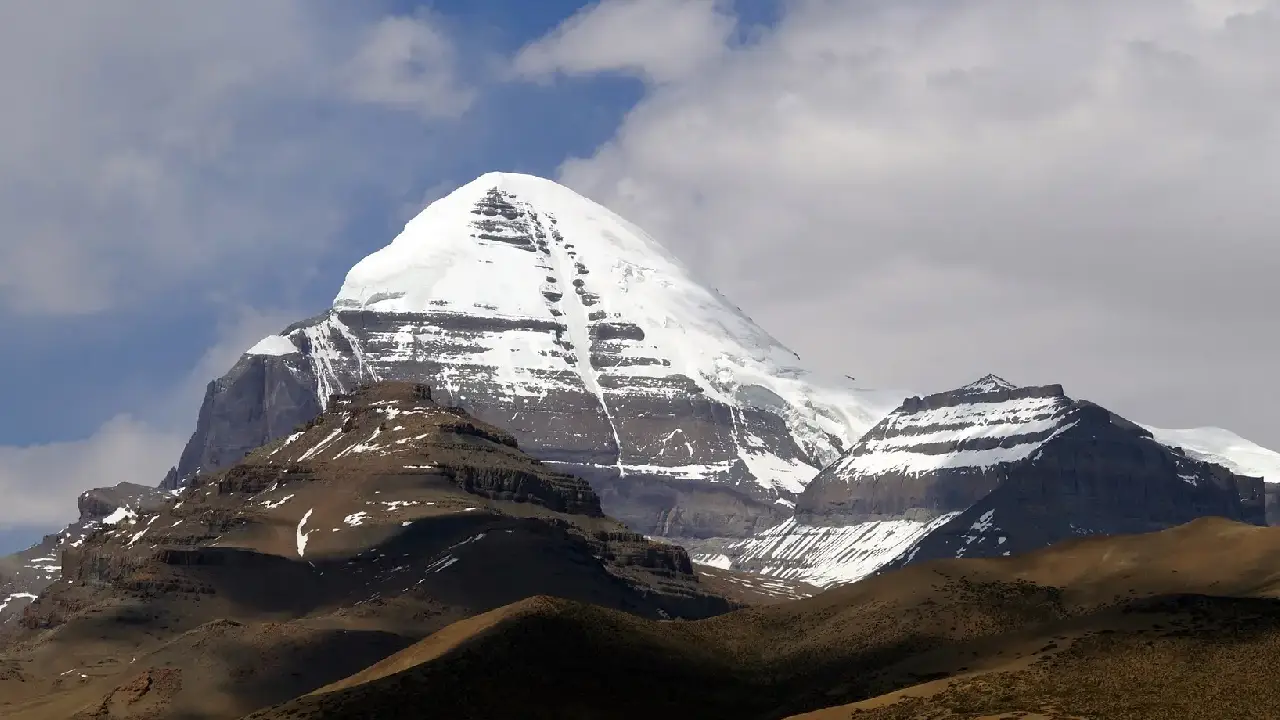
Both routes eventually lead pilgrims toward Mount Kailash and Lake Mansarovar, located in Tibet.
3. Why Kailash Mansarovar Is So Special
As someone who has explored multiple spiritual destinations across India, I can confidently say that nothing comes close to the aura of this place.
Mount Kailash is believed to be the abode of Lord Shiva.
Lake Mansarovar is considered one of the holiest lakes in the world.
Pilgrims believe that:
- Completing the journey cleanses sins
- Circumambulating Mount Kailash brings spiritual liberation
- Bathing in Mansarovar purifies the soul
Whether you’re religious or not, the spiritual energy associated with this journey is undeniable.
4. Registration Process: What I Observed
The registration process for the 2026 Yatra has been structured and digital.
From what I’ve gathered:
- Applications are submitted online
- Selection is done through a fair process
- Medical fitness plays a crucial role
This is extremely important because the journey involves high altitudes and tough conditions.
I appreciate this structured approach – it ensures safety while maintaining accessibility.
5. The Reality of the Journey (What Most People Don’t Talk About)
While the Yatra is spiritually uplifting, I believe it’s important to talk honestly about its challenges.
This is not an easy trip.
Pilgrims face:
- High altitude (above 15,000 feet)
- Low oxygen levels
- Extreme weather conditions
- Long trekking hours
From what I’ve heard from experienced travelers, the journey tests not just your body – but also your mind. And that’s what makes it transformative.
6. Medical Fitness: The Most Important Requirement
One thing that stands out to me is the strict focus on health.
Applicants are required to:
- Undergo medical tests
- Meet fitness criteria
- Be prepared for high-altitude conditions
In my opinion, this is absolutely necessary. Because at such altitudes, even small health issues can become serious.
7. Cost and Planning: What Travelers Should Expect
Although exact costs may vary depending on the route, the Yatra is not a budget trip.
From my understanding, expenses typically include:
- Travel arrangements
- Accommodation
- Permits and documentation
- Medical checks
But here’s the thing – people don’t do this journey for comfort or luxury. They do it for meaning.
8. The Emotional Side of This Journey
What fascinates me most about the Kailash Mansarovar Yatra is its emotional depth.
This is not a trip where you:
- Click photos
- Visit attractions
- Move quickly from one place to another
Instead, it’s a journey where you:
- Reflect
- Disconnect from daily life
- Experience silence and vastness
Many travelers say that reaching Mount Kailash is not just a physical achievement – it’s a deeply emotional moment.
9. The Role of Government and Coordination
Organizing a journey of this scale is not easy.
It involves coordination between:
- Indian authorities
- Chinese authorities (as the site is in Tibet)
- Travel and logistics teams
The reopening of registrations shows that diplomatic and logistical channels are functioning effectively again.
And that’s a positive sign for future cross-border tourism.
10. My Advice for First-Time Applicants
If I were planning to apply for this Yatra, here’s what I would focus on:
1. Start physical preparation early
Build stamina through walking and cardio.
2. Get medical clarity
Understand your body’s limits.
3. Prepare mentally
This journey is as much mental as physical.
4. Travel light but smart
Carry essentials, not excess.
5. Stay informed
Follow official updates and guidelines.
11. How This Impacts Spiritual Tourism in India
The reopening of the Yatra is not just important for pilgrims – it’s significant for the broader tourism ecosystem.
It boosts:
- Spiritual tourism
- Cross-border travel
- Travel services and operators
It also reinforces India’s deep connection with ancient pilgrimage traditions.
12. A Journey That Stands Apart from Modern Travel
In today’s world, travel often means:
- Luxury hotels
- Fast itineraries
- Social media content
But Kailash Mansarovar is the opposite.
It’s about:
- Simplicity
- Endurance
- Inner connection
And that’s what makes it timeless.
13. Would I Attempt This Journey? My Honest Thought
As someone who loves travel, I’ve asked myself this question many times.
And my answer is:
Yes – but only when I feel fully prepared.
Because this is not a trip you take casually. It’s a commitment.
Conclusion: More Than a Journey, It’s a Calling
The reopening of registrations for the 2026 Kailash Mansarovar Yatra is more than just a headline – it’s an opportunity.
An opportunity for thousands of pilgrims to reconnect with something deeper.
From my perspective as a travel blogger, this journey represents everything that travel should be:
- Meaningful
- Transformative
- Memorable
In a world where travel is becoming faster and more commercial, journeys like this remind us why we travel in the first place.
Not just to see new places – But to discover something within ourselves. And perhaps that’s why the call of Kailash Mansarovar never fades.