I’ll be honest – every time I considered doing a long road trip in an electric vehicle, one thought held me back:
“What if I don’t find a charger?”
As someone who loves exploring highways – from Gujarat’s coastal routes to Rajasthan’s desert stretches – I’ve always relied on fuel pumps being everywhere.
But EV travel? That felt uncertain. So when I read about Mahindra launching 100 ultra-fast charging points across 15 major highway corridors in India, I didn’t just see it as automobile news. I saw it as a turning point for how I – and many others – might travel in the near future.
Table of Contents
1. What Mahindra Has Actually Announced
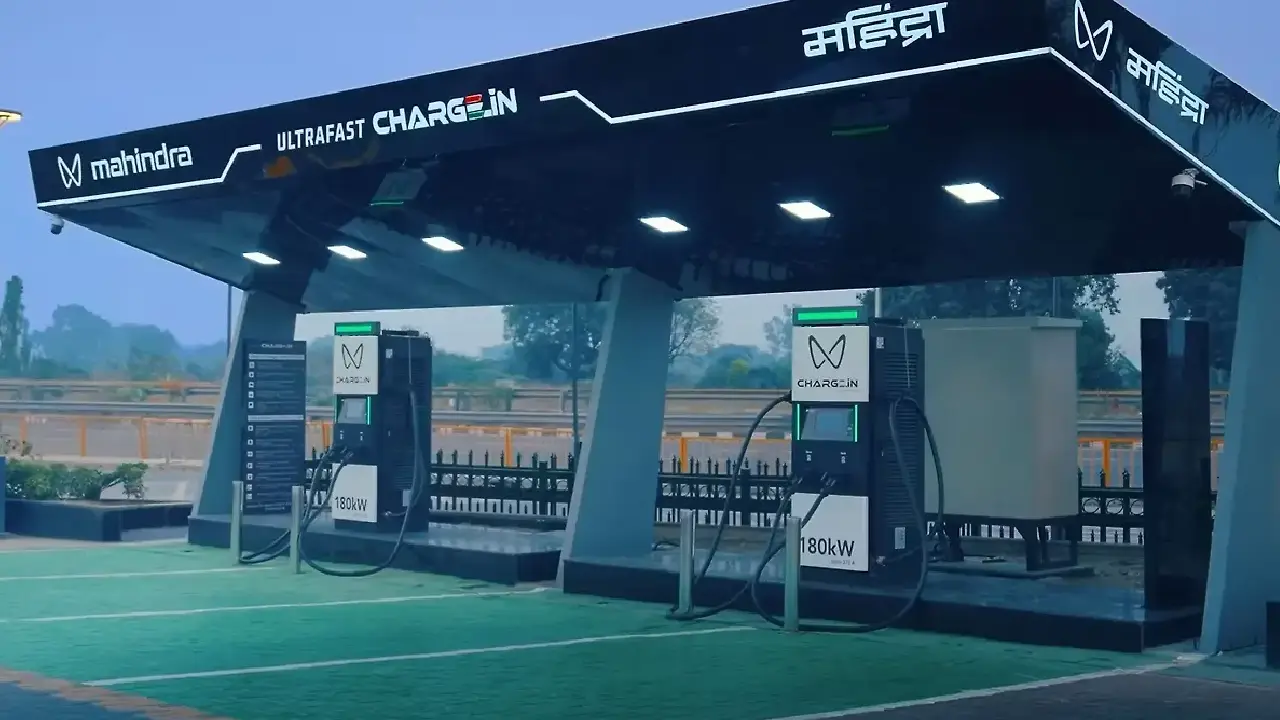
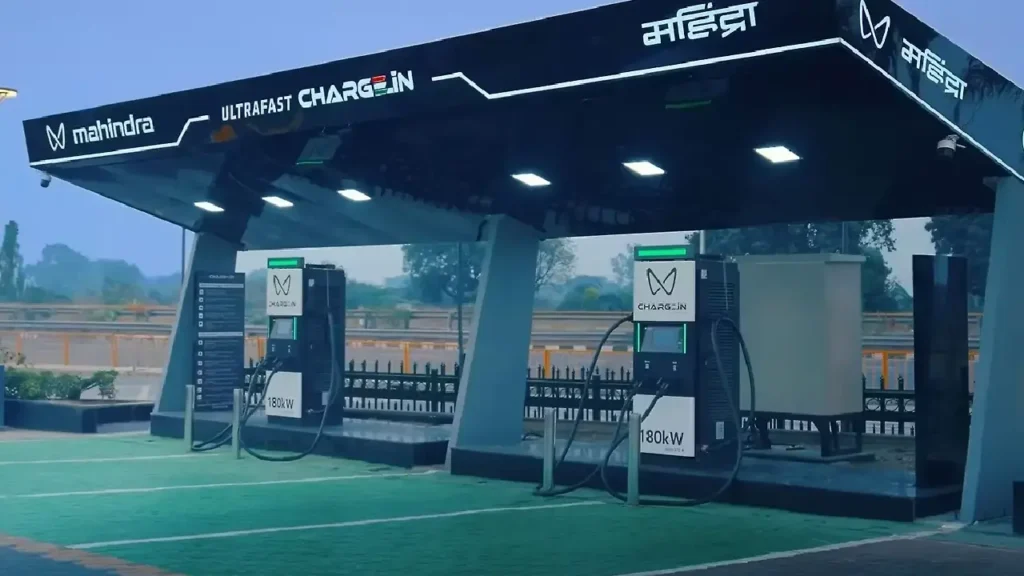
Mahindra has rolled out a network of 100 ultra-fast EV charging stations strategically placed across 15 high-traffic highway routes in India.
These are not regular chargers.
They are designed for high-speed charging, enabling EV users to recharge quickly during highway journeys.
For someone like me who measures road trips in hours, not days, this is a big deal.
2. Why This Matters More Than It Sounds
At first glance, 100 charging points may not sound massive.
But when placed strategically across highways, they create something powerful:
👉 A connected EV travel ecosystem
Instead of random charging stations, this network focuses on:
- Key intercity routes
- High vehicle movement corridors
- Long-distance travel paths
This makes EV travel predictable – and that’s what we’ve been missing.
3. The Problem This Solves: Range Anxiety
If you’ve ever spoken to an EV owner – or considered buying one – you’ve probably heard this term: Range anxiety
It’s the fear of running out of battery without a charging option nearby.
I’ve felt it too. Even with modern EVs offering 300–500 km range, highways can be unpredictable.
But with these ultra-fast chargers:
- You know where to stop
- You know you’ll find a charger
- You can plan your journey confidently
That changes everything.
4. What “Ultra-Fast Charging” Really Means
This is where things get interesting.
These charging stations support high-speed DC charging, which can:
- Charge a battery from 20% to 80% in around 30–45 minutes (depending on the vehicle)
Compare that to older chargers that take several hours – and you’ll understand the difference.
For me, this means: A quick tea break = meaningful recharge
And that’s how road trips should feel.
5. My Highway Travel Experience vs This New Reality
I’ve driven across multiple Indian highways.
And the pattern is always the same:
- Fuel stop every 300–400 km
- Quick refuel
- Continue the journey
With EVs, that rhythm was missing.
But now, with ultra-fast chargers placed across major corridors, the experience starts to feel similar. Not identical – but close enough to remove hesitation.
6. Where These Charging Corridors Matter Most
While the exact corridors vary, they are focused on:
- High-density travel routes
- Intercity highways
- Popular road trip circuits
Think of routes like:
- Delhi–Jaipur
- Mumbai–Pune
- Ahmedabad–Udaipur
These are routes I’ve personally traveled – and they’re perfect for EV adoption.
7. A Bigger Push Toward Electric Mobility
This move by Mahindra is not isolated.
India is already witnessing rapid EV adoption:
- Over 1.5 million EVs sold annually in recent years
- Government incentives under FAME schemes
- Growing charging infrastructure
But infrastructure has always been the bottleneck. This initiative directly addresses that gap.
8. My First Thought: EV Road Trips Are Now Realistic
Until now, EV road trips felt like experiments.
You had to:
- Research charging stations
- Plan backup options
- Stay flexible
Now, with a structured network, EV road trips feel:
👉 Planned
👉 Reliable
👉 Practical
And as someone who loves documenting journeys, that excites me.
9. Time Efficiency: The Game Changer
Let’s talk about time – because that’s what travelers care about most.
Earlier EV travel meant:
- Long charging breaks
- Unpredictable delays
Now, with ultra-fast charging:
- Stop for 30 minutes
- Grab food or coffee
- Resume journey
It aligns perfectly with natural travel breaks.
10. The Business Angle I Noticed
This move is not just about convenience – it’s strategic.
By building charging infrastructure, Mahindra is:
- Supporting its EV lineup
- Encouraging adoption
- Creating a long-term ecosystem
Because selling EVs without charging support doesn’t work. This is a complete approach.
11. How This Impacts Tourism
As a travel blogger, I immediately thought about tourism.
Better EV infrastructure means:
- More eco-friendly travel
- Reduced fuel dependency
- Lower travel costs over time
Destinations that were once avoided due to charging concerns can now become accessible. That opens new possibilities.
12. The Environmental Perspective
Let’s not ignore the bigger picture.
Transportation contributes significantly to emissions.
EV adoption, supported by infrastructure like this, helps:
- Reduce carbon footprint
- Promote sustainable travel
- Encourage cleaner highways
And for someone who loves nature travel, that matters.
13. Challenges That Still Exist
While this is a major step, it’s not the final solution.
Some challenges remain:
- Charging station density still needs to increase
- Standardization across networks
- Availability during peak hours
But this initiative is a strong foundation.
14. My Advice If You’re Considering EV Travel
If you’re thinking about switching to EV road trips, here’s what I’d suggest:
1. Plan your route around charging corridors
Use available maps and apps.
2. Understand your vehicle’s range
Know your limits.
3. Combine charging with breaks
Make it part of your journey, not a disruption.
4. Start with shorter trips
Build confidence gradually.
15. What This Means for the Future of Indian Highways
This development signals a clear direction: Indian highways are evolving.
From:
❌ Fuel-dependent systems
to
✅ Multi-energy ecosystems
In the coming years, we might see:
- Charging hubs at every major stop
- EV-only travel corridors
- Faster and smarter infrastructure
And honestly, that future doesn’t feel far anymore.
Conclusion: The Road Ahead Feels Electric
After understanding Mahindra’s new ultra-fast charging network, one thing is clear to me: EV travel in India is no longer a distant idea – it’s becoming a practical reality.
For travelers like me, this means:
- More freedom
- Less hesitation
- Smarter journeys
The fear of being stranded without a charger is slowly fading. And in its place, a new kind of travel is emerging – quieter, cleaner, and surprisingly efficient.
So the next time I plan a highway trip, I might not look for the nearest fuel pump. I might just look for the nearest charger – and see where the road takes me.