I still remember my first solo trip. I checked my backpack at least ten times before leaving home. I worried about hotel bookings, transport, safety, food, and almost everything else. Back then, solo travel felt unusual, especially for Indian travelers. Today, things look completely different.
Every airport I pass through now is filled with independent travelers carrying cabin bags, laptops, cameras, and flexible itineraries. Hostels are packed with solo explorers. Cafés in Bali, Bangkok, and Vietnam are filled with people working remotely while traveling alone.
Recently, I came across industry reports showing a sharp rise in solo travel across Asia-Pacific destinations in 2026, alongside a major increase in travel insurance demand. The data immediately matched what I’ve personally been witnessing during my journeys over the past year.
What fascinates me most is that this isn’t just a tourism trend anymore. It’s becoming a lifestyle movement.
Table of Contents
Solo Travel Has Become Mainstream
A few years ago, solo travelers were often viewed as adventurous exceptions. Now they are everywhere.
Industry data indicates that solo travelers accounted for nearly three-fourths of summer travel bookings in 2026, showing significant growth compared to previous years.
Honestly, I’m not surprised. Whether I’m exploring mountain towns in Himachal or international airports in Southeast Asia, I consistently notice people choosing to travel independently. And they don’t seem hesitant anymore. They seem comfortable.
Why People Suddenly Prefer Traveling Alone
After speaking to dozens of travelers recently, I noticed one common theme: People want freedom.
Not luxury. Not rigid itineraries. Not crowded group schedules. Just freedom.
Solo travel gives people complete control over:
- Time
- Budget
- Destinations
- Daily routines
That flexibility feels incredibly valuable in modern life. Especially when daily schedules already feel overloaded.
Asia-Pacific Destinations Are Leading the Boom
One major trend highlighted in the recent report is the growing popularity of Asia-Pacific destinations among travelers. And from my perspective, this makes perfect sense.
Countries across Asia offer an ideal combination of:
- Affordability
- Accessibility
- Shorter flight durations
- Strong tourism infrastructure
For Indian travelers especially, destinations like:
- Thailand
- Vietnam
- Malaysia
- Singapore
- Japan
feel exciting without becoming financially overwhelming.
Japan’s Popularity Keeps Rising
One thing I’ve personally noticed online and offline is Japan’s growing appeal among Indian solo travelers.
Japan offers something modern travelers deeply value:
- Safety
- Clean public spaces
- Efficient transportation
- Reliable connectivity
Many first-time solo travelers feel more confident choosing destinations where systems work smoothly. Japan has mastered that experience. Even simple things like railway punctuality and organized public spaces reduce travel anxiety significantly.
Southeast Asia Still Dominates Independent Travel
Despite Japan’s rise, Southeast Asia continues to dominate solo tourism.
Thailand and Vietnam remain especially popular because they combine:
- Affordable accommodation
- Good internet connectivity
- Vibrant food culture
- Backpacker-friendly infrastructure
I recently met several Indian travelers in Vietnam who were on month-long solo journeys while working remotely. That kind of travel culture barely existed among Indians a decade ago. Now it’s becoming common.
Solo Travel Feels More Emotional After the Pandemic
I think the pandemic changed travel psychologically. People no longer see travel only as entertainment.
Now it also represents:
- Personal healing
- Mental reset
- Emotional freedom
- Escape from routine
When I travel alone, I often feel mentally lighter. There’s no pressure to constantly coordinate with others. I can slow down, observe more deeply, and genuinely connect with places. I think that emotional aspect explains much of the solo travel boom.
Women Travelers Are Changing the Industry
One of the most inspiring changes I’ve observed is the rise of solo female travelers. Across airports, hostels, cafés, and travel groups, more women are confidently exploring destinations independently. Improved digital safety tools, travel communities, and women-focused tourism services are helping accelerate this movement. Globally, women represent a major share of solo travel growth. And honestly, this may become one of the most important transformations in modern tourism.
Travel Insurance Demand Is Rising for a Reason
Another major insight from the report was the sharp rise in travel insurance purchases. Travel insurance demand reportedly increased by more than 20% year-on-year in 2026.
To me, this signals something important: Travelers are becoming smarter. Earlier, many people ignored insurance completely.
Now travelers actively compare:
- Medical coverage
- Flight cancellation benefits
- Emergency evacuation support
- Lost baggage protection
That shift reflects growing travel maturity among Indian tourists.
Why Modern Travelers Are More Careful
Global uncertainty has changed traveler behavior.
People are more aware of risks related to:
- Flight disruptions
- Medical emergencies
- Weather-related cancellations
- Geopolitical tensions
As someone who travels frequently, I’ve personally experienced delays, unexpected cancellations, and last-minute changes. Travel insurance no longer feels optional. It feels practical.
Social Media Is Fueling Independent Exploration
There’s no denying social media’s influence here.
Instagram reels and YouTube travel videos constantly showcase independent travelers exploring:
- Tokyo cafés
- Bali co-working spaces
- Bangkok street food markets
- Vietnam train journeys
This content normalizes solo travel. It removes fear.
People start thinking:
“If they can do it, maybe I can too.”
That psychological shift is powerful.
Remote Work Is Reshaping Tourism
Another huge factor behind solo travel growth is remote work culture.
Many professionals now combine:
- Work
- Leisure
- Long-term travel
Destinations with good internet and affordable stays are benefiting massively from this trend. Places like Bali and Chiang Mai have become famous digital nomad hubs for exactly this reason. I’ve also started seeing similar patterns emerging in parts of India like Goa and Himachal Pradesh.
Flexible Travel Is Becoming the New Luxury
Earlier, luxury tourism focused heavily on expensive hotels and premium services. Now I think modern luxury feels different.
Luxury today often means:
- Flexible schedules
- Slow travel
- Peaceful surroundings
- Independence
- Time freedom
Solo travel naturally supports all of these. That’s why it appeals strongly to younger travelers.
Economic Reality Is Influencing Destination Choices
Another interesting aspect of the report was how travelers are choosing destinations more strategically. Due to rising global costs and airfare fluctuations, many travelers are prioritizing nearby Asia-Pacific destinations over expensive long-haul vacations. This explains why regional tourism within Asia continues growing rapidly. People still want international experiences – but they want them efficiently and affordably.
Technology Has Made Solo Travel Easier Than Ever
Travel apps have completely transformed independent tourism.
Today, solo travelers can instantly access:
- Navigation tools
- Translation apps
- Online bookings
- Emergency contacts
- Digital payments
Technology has removed many barriers that once made solo travel intimidating. This accessibility is helping millions travel independently with greater confidence.
What Solo Travel Personally Taught Me
Every solo trip teaches me something different. Sometimes it teaches patience. Sometimes confidence. Sometimes adaptability.
Traveling alone forces me to engage more deeply with the world around me. I notice conversations more carefully. I observe places more slowly. I become more open to unexpected experiences. That’s probably why solo journeys often feel deeply personal.
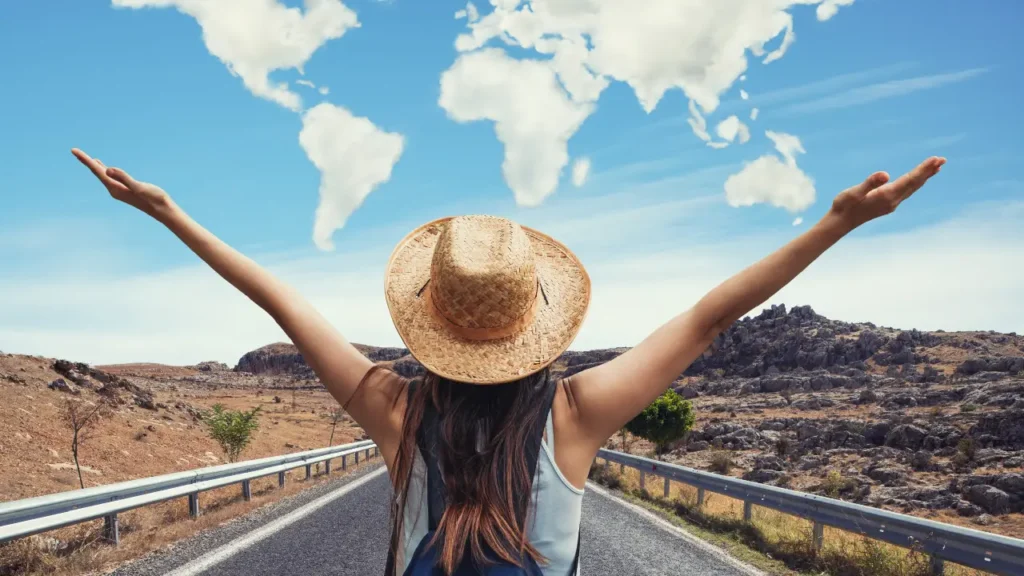
Conclusion: Solo Travel Is Becoming a New Way of Living
After observing this trend closely, I no longer think solo travel is just another tourism category. It’s becoming a reflection of modern lifestyles.
People increasingly want:
- Independence
- Flexibility
- Emotional freedom
- Meaningful experiences
The surge in solo travel across Asia-Pacific destinations – and the parallel rise in travel insurance demand – shows how travel itself is evolving.
And honestly, I believe this transformation is only beginning. Because today’s travelers aren’t just chasing destinations anymore. They’re chasing personal experiences that feel truly their own.