
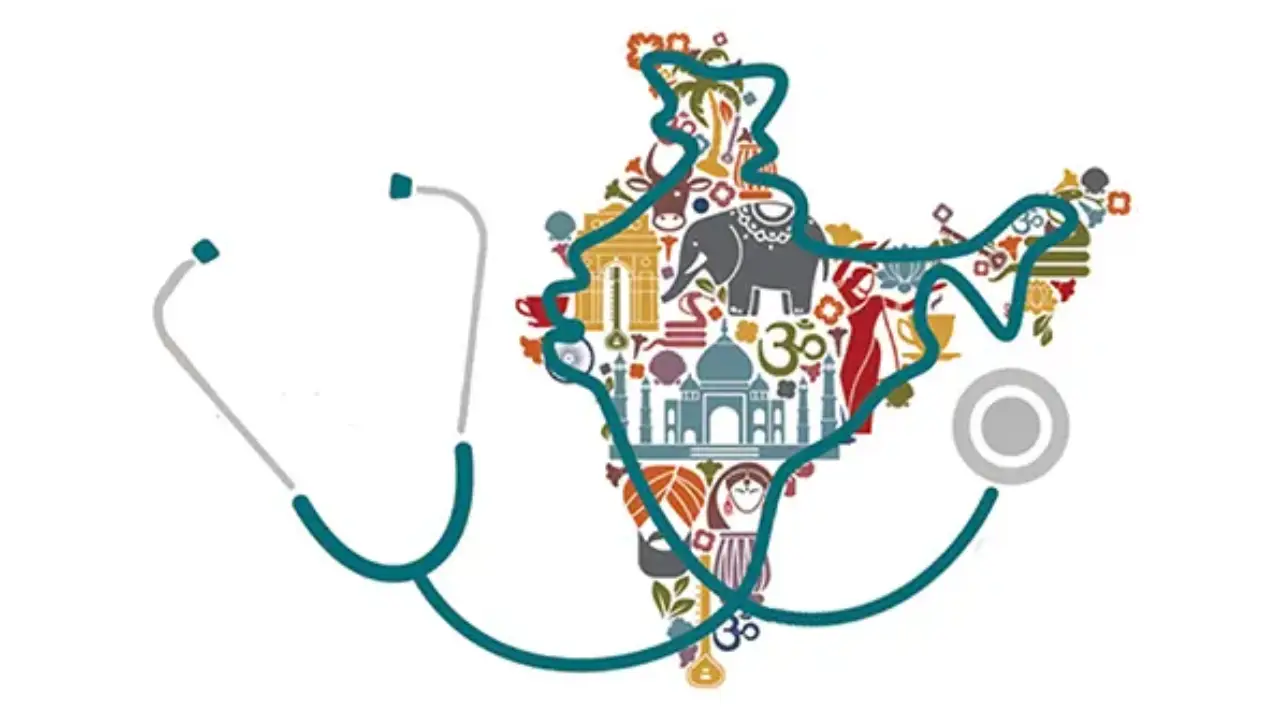
Most of my travels revolve around landscapes, food, culture, and hidden destinations. But over the past few years, I started noticing a very different kind of traveler – people arriving in India not for leisure, but for healing.
At first, it felt like a niche segment. But recently, when I came across projections that India’s medical tourism market is expected to reach USD 16.2 billion by 2030, it completely changed how I viewed this space.
This is not just a growing trend – it’s becoming one of the most powerful intersections of travel and healthcare. And as someone who observes travel patterns closely, I felt compelled to explore what’s really driving this surge.
Table of Contents
1. Understanding Medical Tourism in India
Medical tourism refers to people traveling across borders to receive medical treatment.
In India, this includes:
- Advanced surgeries (cardiac, orthopedic, oncology)
- Cosmetic and dental procedures
- Wellness therapies like Ayurveda and yoga
What makes India unique is the combination of: High-quality treatment + affordable pricing + hospitality
This mix is rare globally.
2. The Numbers That Caught My Attention
The projection of USD 16.2 billion by 2030 is not random.
It reflects consistent growth backed by:
- Increasing global demand
- Expanding hospital infrastructure
- Government support initiatives
India already attracts hundreds of thousands of medical tourists annually, and this number is expected to nearly double in the coming years.
From a travel perspective, that’s a massive inflow of international visitors.
3. Why Patients Choose India Over Other Countries
When I tried to understand this trend, one factor stood out clearly: Cost advantage without compromising quality
For example:
- A cardiac surgery that may cost $50,000 in the US can cost $5,000–$8,000 in India
- Knee replacement surgeries are significantly cheaper
- Cosmetic procedures are competitively priced
And yet, the quality remains globally competitive.
4. The Role of Indian Hospitals
India has developed a strong network of internationally accredited hospitals.
Many hospitals are:
- Equipped with advanced technology
- Staffed by highly trained doctors
- Recognized by global healthcare standards
Cities like:
- Delhi
- Mumbai
- Chennai
- Hyderabad
have become major medical tourism hubs.
As a traveler, I’ve seen how these cities are adapting to international patients.
5. My Observation: Hospitals Feel Like Hospitality Spaces
One thing that surprised me during my visits was how hospitals are evolving.
They no longer feel purely clinical.
Instead, many offer:
- International patient lounges
- Dedicated coordinators
- Hotel-like facilities
This creates a comfortable experience for patients and their families.
It’s almost like a blend of healthcare and hospitality.
6. Government Support Is Driving Growth
The Indian government has actively supported medical tourism through:
- Medical visas (e-Medical Visa)
- Simplified travel procedures
- Promotion of India as a healthcare destination
These policies have made it easier for international patients to access treatment.
From a policy perspective, this is a well-structured push.
7. The Rise of Wellness Tourism Alongside Medical Travel
What fascinated me even more is how medical tourism overlaps with wellness tourism.
Many travelers combine:
- Surgery or treatment
with - Recovery in peaceful destinations
Popular recovery spots include:
- Kerala (Ayurveda retreats)
- Rishikesh (yoga and meditation)
- Goa (relaxation stays)
This creates a unique travel experience – healing both body and mind.
8. The Role of Technology in This Growth
Digital platforms are playing a major role in expanding this sector.
Patients can now:
- Consult doctors online
- Compare treatment packages
- Book procedures remotely
This level of accessibility makes India more attractive globally.
9. Who Are These Medical Travelers?
From what I’ve observed and researched, most medical tourists come from:
- Africa
- Middle East
- South Asia
- CIS countries
They choose India due to:
- Affordability
- Availability of specialized treatments
- Short waiting times
This diversity adds a global dimension to Indian healthcare hubs.
10. The Economic Impact I Can Clearly See
Medical tourism is not just about hospitals—it impacts the entire travel ecosystem.
It boosts:
- Hotels and serviced apartments
- Local transportation
- Food and hospitality services
- Travel agencies
In many cities, this sector is creating a parallel tourism economy.
11. Challenges That Still Exist
Despite the growth, there are some challenges:
- Language barriers for some patients
- Need for better post-treatment follow-up systems
- Infrastructure gaps in smaller cities
As a traveler, I feel these are areas that can improve further.
12. My Personal Reflection on This Trend
This trend made me rethink what “travel” really means.
It’s not always about:
- Adventure
- Exploration
- Leisure
Sometimes, it’s about:
👉 Hope
👉 Recovery
👉 Second chances
And India is becoming a destination for exactly that.
13. What This Means for the Future of Travel in India
Looking ahead, medical tourism could become one of India’s strongest travel sectors.
We may see:
- Specialized medical travel packages
- Integrated healthcare-tourism services
- Growth of smaller medical hubs
This will redefine how India is positioned globally.
14. Advice for Travelers Considering Medical Tourism
If you’re planning medical travel to India, here are a few tips:
Research hospitals carefully
Look for accreditation and reviews.
Plan recovery time
Don’t rush your return journey.
Consult multiple doctors
Get second opinions if needed.
Choose the right city
Consider both treatment and comfort.
15. Why This Story Feels Personal to Me
As a travel blogger, I usually focus on destinations. But this story reminded me that travel can have a deeper purpose. It’s not just about where you go – it’s about why you go. And for many people, India is becoming a destination of healing.
Conclusion: A New Identity for Indian Travel
After exploring this topic, I see India’s travel landscape differently.
We are no longer just:
- A cultural destination
- A spiritual hub
- A leisure travel hotspot
We are becoming a global healthcare destination.
And that changes everything. Because when people travel to India now, they’re not just seeking experiences – they’re seeking solutions. And as someone who watches travel trends closely, I believe this is just the beginning. The roads, airports, and cities I travel through today are slowly becoming pathways not just for tourists – but for patients, families, and stories of recovery.
And that, in its own way, is one of the most powerful journeys of all.