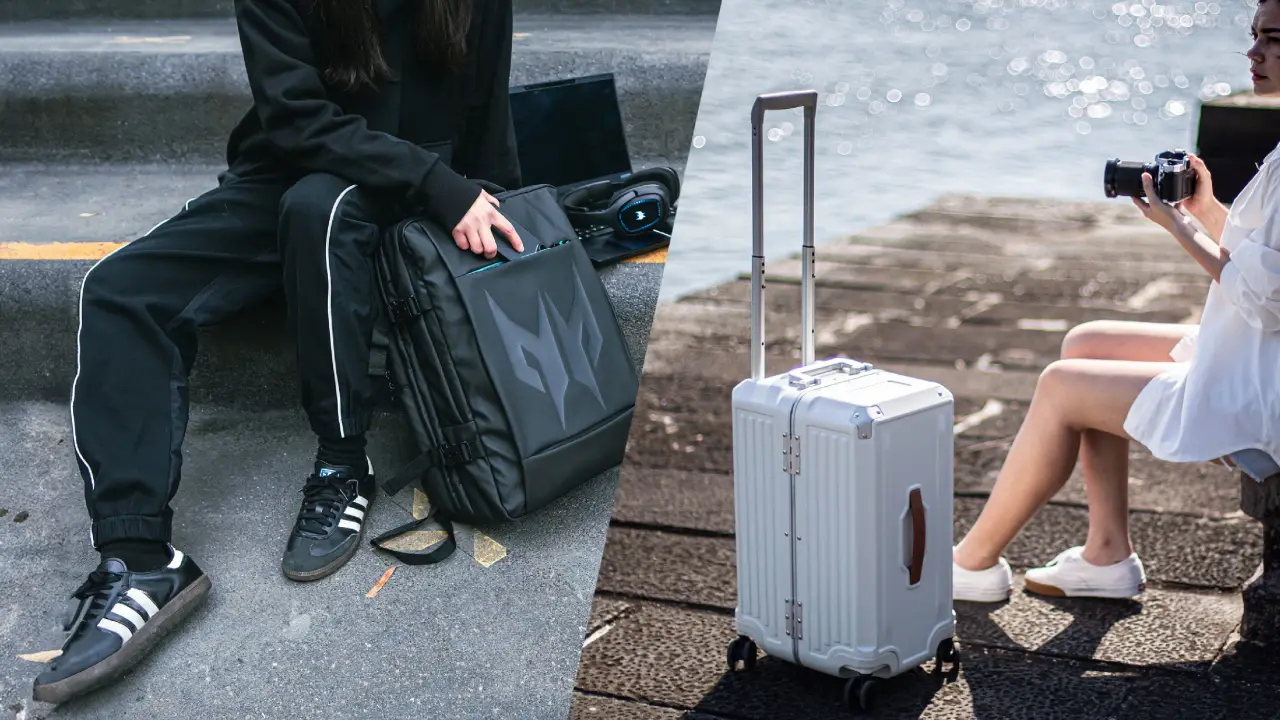

Traveling as a student can be challenging due to limited funds, but it’s also one of the most rewarding experiences. Exploring new destinations, meeting people from different cultures, and gaining life experience doesn’t have to break the bank. With smart planning, budgeting strategies, and travel hacks, students can see the world while staying within their means.
In 2026, students have more tools, platforms, and resources than ever to travel affordably. This guide outlines the best budget travel tips for students, helping you make the most of every trip.
1. Plan Ahead and Be Flexible
Planning in advance is key to student travel savings.
Tips
- Book flights early to secure lower prices and seat options
- Choose off-peak travel times like weekdays or shoulder seasons to avoid high prices
- Research multiple destinations to find the most affordable options
- Be flexible with your itinerary to take advantage of last-minute deals
Flexibility allows students to save significantly on flights, accommodation, and activities.
2. Travel Light
Packing smart reduces baggage fees and makes traveling easier.
Tips
- Bring only essentials and versatile clothing
- Use a lightweight backpack or carry-on instead of checked luggage
- Roll clothes instead of folding them to maximize space
- Use packing cubes to stay organized
Traveling light keeps costs down and allows you to move easily between destinations.
3. Choose Affordable Accommodation
Accommodation is often the biggest travel expense, but students have plenty of budget-friendly options.
Options
- Hostels: Affordable, social, and often centrally located
- Student dorms or university housing: Available in some cities during breaks
- Budget hotels and guesthouses: Affordable alternatives to luxury hotels
- Vacation rentals or Airbnb: Can be cheaper for longer stays, especially if shared
- Couchsurfing: Free stays with locals, ideal for meeting new people
Booking platforms often offer student discounts, so always check before reserving.
4. Cook Your Own Meals
Eating out can quickly drain a student budget.
Tips
- Book accommodation with kitchen facilities to prepare simple meals
- Shop at local markets for fresh and inexpensive ingredients
- Pack snacks for travel days to avoid overpriced airport or tourist food
- Try street food or local eateries for affordable and authentic meals
Cooking or choosing budget-friendly options helps students save a lot on food.
5. Use Public Transportation
Transportation costs can add up if relying on taxis or rideshares.
Tips
- Use buses, trams, and trains instead of taxis
- Buy daily, weekly, or monthly passes if staying longer
- Rent bikes or walk when possible to explore and save money
- Consider rideshare apps for occasional trips when public transport isn’t available
Public transportation is often cheaper, eco-friendly, and provides a local experience.
6. Take Advantage of Student Discounts
Many attractions, transportation options, and services offer student discounts.
Tips
- Carry a valid student ID or international student card
- Check museum, cinema, and tour discounts
- Use student-friendly apps for deals on flights, trains, and hostels
- Look for free entry days at museums or cultural sites
Student discounts can save hundreds of dollars during a trip.
7. Travel Slowly
Slow travel is both affordable and enriching.
Benefits
- Fewer transport costs by staying longer in one place
- Opportunities to find cheaper accommodation for long-term stays
- Greater cultural immersion and deeper experiences
- Reduced stress and more time to explore the destination
Staying longer in fewer locations allows students to stretch their budgets and enjoy richer experiences.
8. Plan Free or Low-Cost Activities
You don’t need to spend a lot to have fun while traveling.
Ideas
- Visit parks, public beaches, or hiking trails
- Attend free cultural events or festivals
- Explore historic neighborhoods on walking tours
- Take advantage of university or student-hosted events
Free activities allow students to experience the destination without spending excessively.
9. Use Travel Apps and Websites
Technology can help students find affordable deals and stay organized.
Tips
- Use flight comparison websites to find the cheapest tickets
- Look for last-minute hotel deals and student discounts
- Download offline maps to avoid roaming charges
- Use budget tracking apps to monitor spending
Apps make planning easier, help find deals, and keep your finances in check.
10. Travel With Friends
Group travel can be more cost-effective than traveling alone.
Benefits
- Share accommodation costs by booking shared rooms or apartments
- Split transportation expenses, such as taxis or car rentals
- Pool resources for activities or tours
- Make the trip safer and more enjoyable
Traveling with friends allows students to enjoy experiences together while cutting costs.
11. Avoid Expensive Souvenirs
While souvenirs are tempting, they can eat into a student budget.
Tips
- Buy small, meaningful items instead of expensive gifts
- Focus on experiences and memories rather than material items
- Consider digital souvenirs like photos or videos
This approach keeps travel affordable and emphasizes experiences over possessions.
12. Stay Healthy and Safe
Unexpected medical expenses can ruin a budget.
Tips
- Pack a small first aid kit with essential medications
- Buy travel insurance or student travel insurance
- Stay hydrated, eat well, and get enough rest
- Keep important documents and money secure
Staying healthy prevents costly emergencies and keeps the trip enjoyable.
13. Work or Volunteer Abroad
Students can offset travel costs by working or volunteering abroad.
Options
- Short-term internships or teaching English programs
- Volunteer opportunities with accommodations included
- Remote freelance work or part-time jobs while traveling
These opportunities allow students to earn money while gaining valuable experience.
14. Avoid High Tourist Traps
Tourist-heavy areas are often overpriced.
Tips
- Explore off-the-beaten-path neighborhoods
- Eat and shop where locals do
- Use local markets instead of souvenir shops
Avoiding tourist traps saves money while offering a more authentic experience.
15. Set a Travel Budget
Setting and sticking to a budget is crucial for student travel.
Tips
- Allocate funds for accommodation, food, transport, and activities
- Keep track of spending daily to avoid overspending
- Prioritize experiences over luxury items
- Adjust your budget as needed during the trip
A clear budget ensures that students can enjoy travel without financial stress.
Final Thoughts
Traveling as a student is all about balance — experiencing new cultures and destinations while managing costs. By planning ahead, taking advantage of student discounts, using affordable accommodations, cooking your own meals, and embracing free activities, students can travel widely and wisely.
In 2026, students have access to more tools, apps, and affordable options than ever before. Smart planning, resourcefulness, and budget-conscious habits make it possible to travel the world, create unforgettable memories, and return home without financial strain.