Over the last few months, I’ve noticed something unusual while traveling across India.
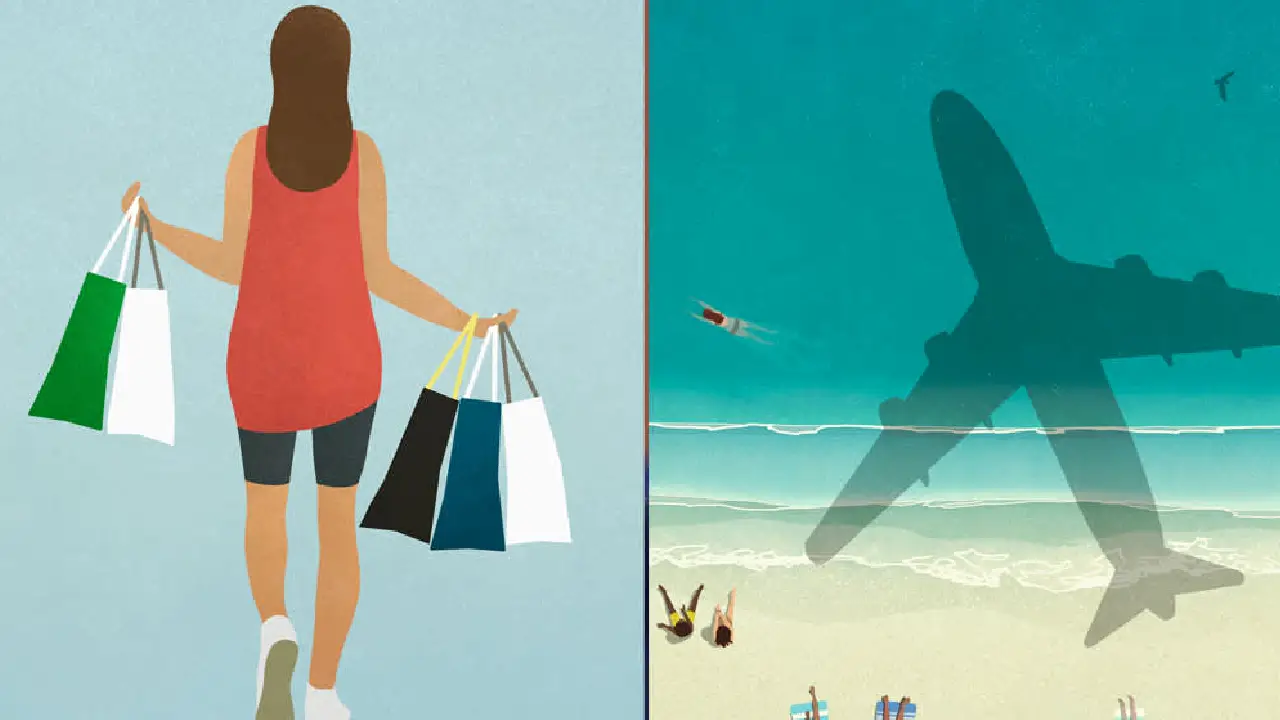
Malls are crowded, but people are buying carefully. Restaurants are full, but diners are choosing selectively. Friends who once upgraded phones every year are now delaying purchases.
Yet at the same time, airport lounges are packed. Premium resorts are operating at near-full occupancy. And electric SUVs are quietly becoming common on Indian highways.
When I recently read reports discussing how Indian consumers are tightening discretionary spending while premium travel and EV demand remain resilient, I instantly connected with the story. Because this isn’t just economic data to me – I’m witnessing it live during every journey I take. As someone who constantly travels between cities, hill stations, villages, highways, and airports, I wanted to understand why Indians are becoming cautious shoppers but still enthusiastic travelers.
The answer reveals something important about how modern India now defines value.
Table of Contents
India’s Spending Habits Are Changing Rapidly
A few years ago, discretionary spending in India largely revolved around products.
People spent heavily on:
- Fashion
- Smartphones
- Electronics
- Home décor
- Luxury accessories
Today, the mood feels different.
Consumers are asking tougher questions before buying:
- “Do I really need this?”
- “Will this improve my life?”
- “Is this worth the money?”
According to recent consumer reports, economic uncertainty and inflation pressures are making Indians more cautious with non-essential purchases. But interestingly, travel hasn’t slowed down the same way.
What I’m Seeing at Airports Tells a Different Story
Despite concerns around spending, Indian airports remain incredibly busy.
Every time I travel through:
- Ahmedabad
- Bengaluru
- Delhi
- Mumbai
I notice something fascinating: People may be shopping less impulsively – but they are still prioritizing experiences.
Flights to leisure destinations are packed during weekends. Boutique stays are seeing advance bookings. Road trip culture is booming. This contradiction initially confused me.
Then I realized: Modern Indians are no longer spending emotionally on products—they are spending emotionally on experiences.
Travel Has Become an Emotional Necessity
One thing changed dramatically after the pandemic. Travel stopped feeling like luxury.
For many people, including me, it became:
- A mental reset
- A stress release
- A way to reconnect with family
- A form of self-care
I recently met a couple during a stay in Uttarakhand who told me:
“We reduced shopping expenses this year so we could travel more.”
That sentence perfectly summarizes the new consumer mindset.
Premium Travel Is Growing Faster Than Budget Tourism
What surprised me even more is that premium travel demand is staying strong.
This includes:
- Luxury resorts
- Wellness retreats
- Premium homestays
- Curated road trips
- Boutique eco-stays
Travelers are no longer satisfied with simply “going somewhere.”
They want:
- Better comfort
- Cleaner experiences
- Personalized hospitality
- Unique destinations
And they’re willing to pay for it.
India’s Domestic Tourism Explosion Is Fueling the Trend
Domestic tourism in India has transformed dramatically in recent years. Improved highways, better flight connectivity, and social media exposure have encouraged Indians to explore more destinations within the country.
Places like:
- Coorg
- Tirthan Valley
- Kutch
- Meghalaya
- Rishikesh
have seen rising premium tourism demand. As a travel blogger, I’ve personally noticed how travelers now actively seek quality over quantity. Instead of taking multiple rushed trips, many prefer fewer but richer experiences.
Why EV Demand Feels Similar to Premium Travel
The report also highlighted continued resilience in electric vehicle demand, especially in premium segments.
And honestly, I’m seeing that shift everywhere. A year ago, spotting EVs on long-distance road trips felt rare. Now I regularly encounter electric SUVs and premium EV sedans on highways connecting major tourist circuits. This trend mirrors premium travel in many ways.
Both reflect:
- Aspirational lifestyle choices
- Long-term thinking
- Experience-focused spending
People may delay buying fashion items – but they still invest in mobility and travel.
The Psychology Behind Selective Spending
I think Indian consumers are becoming smarter – not weaker – in spending behavior. Earlier, people often spent impulsively. Today, spending feels more intentional.
Consumers are prioritizing categories that provide:
- Emotional value
- Practical utility
- Long-term satisfaction
Travel checks all three boxes.
An expensive gadget loses excitement within months. But a memorable trip often stays meaningful for years.
Premium Travel No Longer Means “Ultra Luxury”
One important shift I’ve noticed is how India now defines premium travel differently.
Premium no longer automatically means:
- Five-star hotels
- Luxury shopping
- Excessive spending
Instead, premium often means:
- Peaceful locations
- Nature experiences
- Fewer crowds
- Better hygiene
- Personalized hospitality
This explains why boutique homestays and eco-retreats are growing rapidly across India. Travelers want authenticity with comfort.
Social Media Has Intensified Travel Aspirations
Another major factor behind resilient travel demand is digital influence.
Instagram, YouTube, and travel reels constantly expose people to:
- Scenic road trips
- Hidden resorts
- Luxury camps
- Mountain cafés
- Wellness destinations
This exposure has changed aspiration levels dramatically. I’ve met travelers from smaller Indian towns planning premium vacations that would have seemed unrealistic a decade ago. Travel is now deeply connected to identity and lifestyle.
Younger Indians Think Very Differently About Money
Generational behavior is also driving this trend.
Younger consumers increasingly prioritize:
- Experiences over possessions
- Freedom over accumulation
- Sustainability over excess
This naturally supports:
- Travel
- EV adoption
- Wellness spending
At the same time, it reduces impulsive consumption in traditional retail categories.
I’m Seeing More Purpose-Driven Travel Than Ever Before
One trend I personally find fascinating is the rise of purposeful travel.
People are traveling for:
- Wellness retreats
- Digital detox experiences
- Spiritual journeys
- Adventure activities
- Remote work stays
This has expanded premium tourism far beyond luxury vacations. Travel today feels more emotionally layered than before.
Why EVs Are Becoming Aspirational Road Trip Machines
Electric vehicles are now playing an important role in India’s travel culture.
Premium EVs are attracting buyers because they combine:
- Technology
- Sustainability
- Comfort
- Lower running costs
Brands like Mahindra Automotive and Tata Motors are helping shape this transition. Improved charging infrastructure across highways is also reducing travel anxiety for EV owners. As someone who frequently travels by road, I can clearly see the ecosystem evolving.
Economic Uncertainty Is Making Consumers More Careful
Current economic uncertainty is undoubtedly influencing spending patterns. Reports indicate that Indian consumers are becoming more value-conscious and cautious with big-ticket purchases due to inflation and broader global uncertainty.
But cautious spending doesn’t necessarily mean reduced aspirations. Instead, people are becoming selective about where money truly matters. And increasingly, meaningful travel falls into that category.
The New Definition of Luxury in India
One realization became very clear to me after observing travel trends this year: Luxury in India is no longer about showing wealth. It’s about improving quality of life.
For many travelers, luxury now means:
- Quiet mornings
- Clean air
- Slow travel
- Comfortable road journeys
- Time with family
That emotional dimension explains why premium tourism remains resilient even when other discretionary categories slow down.
What This Means for India’s Future Travel Economy
I believe India’s premium travel market is only getting started.
Several factors support long-term growth:
- Rising disposable incomes
- Better infrastructure
- Expanding airline networks
- Increased highway connectivity
- Growth of boutique hospitality
At the same time, EV adoption will likely continue accelerating alongside road-trip culture. Together, these trends are reshaping how Indians experience mobility and leisure.
My Personal Take After Months on the Road
After traveling continuously across different parts of India, one thing feels obvious to me:
People are no longer spending blindly. They are spending emotionally and intentionally. That’s why travel continues to thrive.
Because experiences provide something physical products often cannot:
- Memories
- Personal growth
- Emotional relief
- Human connection
And in an increasingly stressful world, those things feel more valuable than ever.
Conclusion: Indians Are Redefining What Deserves Their Money
The biggest insight I’ve gained from observing these trends is this:
India is not becoming a low-spending economy. It’s becoming a selective-spending economy. Consumers are becoming more thoughtful about where they invest their money and emotions.
That’s exactly why premium travel and EV demand continue showing resilience despite broader caution around discretionary spending. As I continue traveling across India, I suspect this transformation will only become stronger. Because today’s Indian traveler is no longer chasing excess. They are chasing meaning, comfort, freedom, and experiences that genuinely enrich life.