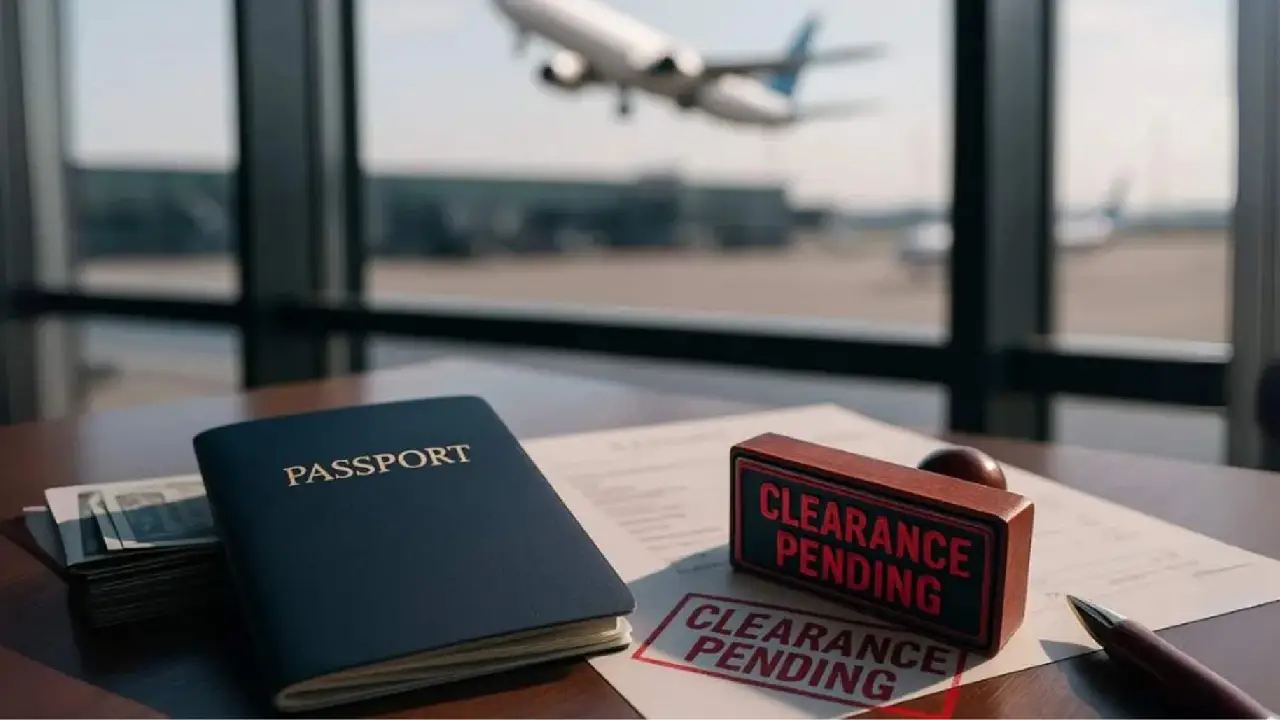

Planning a trip can be just as exciting as the journey itself, but without the right approach, it can quickly become overwhelming. From choosing the destination to managing your budget and itinerary, every step plays a role in creating a smooth and memorable travel experience. Whether you’re traveling solo, with friends, or with family, this step-by-step guide will help you plan the perfect trip with confidence and ease.
Step 1: Decide Your Destination
The first and most important step is choosing where to go. Your destination should match your interests, travel style, and budget. Ask yourself what kind of experience you’re looking for — relaxing on a beach, exploring a bustling city, hiking through nature, or immersing yourself in a new culture.
Research destinations that fit your goals and consider factors like weather, safety, cost of living, and visa requirements. If you’re flexible, look for destinations with good travel deals during your preferred travel dates.
Step 2: Set a Realistic Budget
A well-planned budget is the foundation of a stress-free trip. Determine how much you’re willing to spend and break it down into categories such as:
• Flights or transportation
• Accommodation
• Food and dining
• Activities and attractions
• Local transportation
• Emergency expenses
Setting a daily spending limit helps you stay on track and avoid overspending. It’s also wise to keep a small buffer for unexpected costs.
Step 3: Choose the Best Time to Travel
Timing can greatly impact both your experience and your expenses. Traveling during peak seasons often means higher prices and larger crowds, while off-season travel offers better deals and a quieter atmosphere.
Check the climate of your destination and avoid periods of extreme weather unless you’re specifically seeking that experience. Shoulder seasons — just before or after peak times — often provide the best balance between good weather and lower prices.
Step 4: Book Flights Early and Smartly
Flights are usually one of the biggest expenses, so booking them wisely can save you a lot of money. Compare prices across different airlines and booking platforms, and try to book several weeks or months in advance for the best deals.
Be flexible with your travel dates and consider alternative airports if possible. Flying midweek or during less popular hours can also reduce costs. Setting fare alerts helps you track price changes and book when rates drop.
Step 5: Secure the Right Accommodation
Choosing where to stay depends on your budget, travel style, and preferences. Options include hotels, hostels, vacation rentals, and guesthouses.
Look for accommodations that offer good value rather than just the lowest price. Consider location, safety, amenities, and proximity to major attractions or public transport. Staying slightly outside city centers can often save money while still providing easy access to key areas.
Step 6: Plan Your Itinerary (But Don’t Overdo It)
Creating an itinerary helps you make the most of your time, but overplanning can lead to stress and fatigue. Start by listing the main attractions and experiences you don’t want to miss. Then organize them by location to minimize travel time.
Leave room for flexibility and spontaneous activities. Some of the best travel moments come from unplanned discoveries, so avoid scheduling every minute of your trip.
Step 7: Organize Travel Documents
Make sure all your travel documents are ready well in advance. This includes:
• Passport (with enough validity)
• Visa (if required)
• Travel insurance
• Flight and hotel confirmations
• Copies of important documents
Keeping both digital and physical copies ensures you’re prepared in case anything gets lost or misplaced.
Step 8: Pack Smart and Light
Packing efficiently can make your trip much more comfortable. Focus on essentials and choose versatile clothing that can be mixed and matched. Check the weather forecast and pack accordingly.
Avoid overpacking, as it can make moving around more difficult and may result in extra baggage fees. Don’t forget travel essentials like chargers, medications, toiletries, and a reusable water bottle.
Step 9: Plan Local Transportation
Understanding how you’ll get around your destination saves time and money. Research local transportation options such as buses, trains, metro systems, or bike rentals.
In some cases, purchasing travel passes or cards can offer unlimited rides at a lower cost. If you plan to rent a car, make sure you understand local driving rules and have the necessary documents.
Step 10: Stay Connected and Informed
Staying connected helps you navigate, communicate, and stay updated during your trip. Consider getting a local SIM card or an eSIM plan for affordable data.
Download useful apps for maps, translation, transportation, and booking services. Offline maps are especially helpful in areas with limited internet access.
Step 11: Prepare for Health and Safety
Your safety and well-being should always come first. Research any health precautions needed for your destination, such as vaccinations or travel advisories.
Carry a basic first aid kit and any necessary medications. It’s also a good idea to know the location of nearby hospitals or clinics. Travel insurance can provide peace of mind in case of emergencies.
Step 12: Manage Money Wisely
Use a mix of payment methods, including cash and cards, to stay prepared in different situations. Inform your bank about your travel plans to avoid issues with card usage abroad.
Avoid carrying large amounts of cash and use secure payment methods whenever possible. Keep your money and valuables in safe, accessible places.
Step 13: Respect Local Culture and Etiquette
Every destination has its own customs, traditions, and social norms. Learning a few basic phrases in the local language and understanding cultural etiquette can enhance your experience and show respect to locals.
Dress appropriately when visiting religious or cultural sites, and be mindful of local laws and customs. Being respectful helps create positive interactions and a more enjoyable trip.
Step 14: Stay Flexible and Enjoy the Journey
Even with the best planning, things don’t always go as expected. Flights may be delayed, weather can change, and plans might need to be adjusted. Staying flexible and maintaining a positive attitude will help you handle challenges with ease.
Remember that travel is about the experience, not perfection. Embrace the unexpected moments — they often become the most memorable parts of your journey.
Conclusion
Planning the perfect trip doesn’t have to be complicated. By following a clear step-by-step approach — from choosing your destination and setting a budget to organizing your itinerary and staying flexible — you can create a travel experience that is both enjoyable and stress-free.
The key is to balance preparation with spontaneity. With the right planning, you’ll not only save time and money but also make the most of every moment. Whether it’s your first trip or one of many, a well-planned journey opens the door to unforgettable adventures and lasting memories.
With these steps in mind, you’re ready to turn your travel ideas into reality and experience the world with confidence and ease.