
Traveling opens the door to adventure, cultural exploration, and unforgettable memories, but it also comes with risks. Whether you’re a first-time traveler or a seasoned globetrotter, staying safe should always be a priority. In 2026, traveling safely requires a mix of preparation, awareness, and smart decision-making.
This guide will provide essential safety tips every traveler should know to ensure a secure, stress-free, and enjoyable journey.
1. Research Your Destination
Knowledge is the first line of defense when it comes to travel safety. Understanding the local environment, customs, and potential risks helps you avoid dangerous situations.
What to Research
- Local laws, customs, and cultural norms
- Crime rates and common scams
- Emergency numbers and embassy contacts
- Health advisories and vaccination requirements
Being informed allows you to make safer choices while exploring your destination.
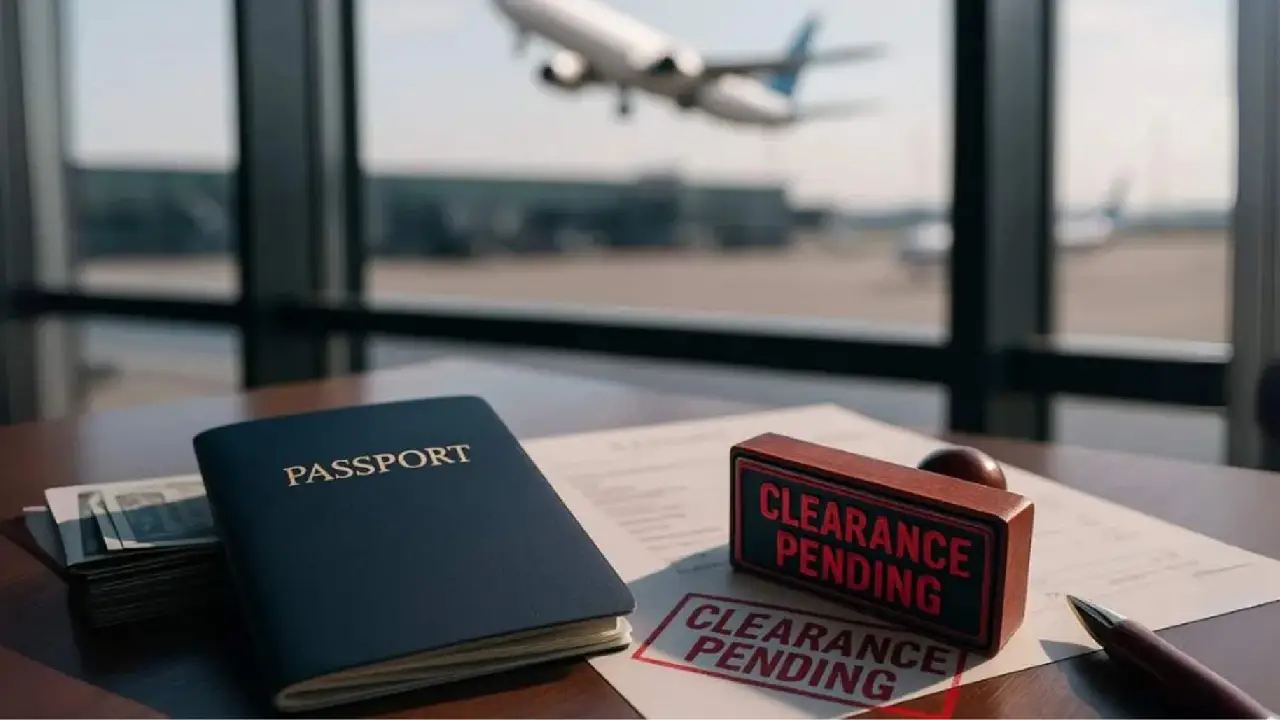
2. Keep Copies of Important Documents
Losing your passport, tickets, or identification can cause major complications while traveling.
Document Safety Tips
- Make digital and physical copies of your passport, visa, travel insurance, and itinerary
- Keep copies separate from the originals
- Consider storing digital copies in secure cloud storage
Having backups ensures you can quickly recover from lost or stolen documents.
3. Protect Your Belongings
Pickpocketing and theft are common in tourist-heavy areas, so securing your belongings is crucial.
Tips to Protect Valuables
- Use anti-theft backpacks or bags with lockable zippers
- Avoid displaying expensive items like jewelry or electronics
- Keep cash and cards in multiple secure locations
- Use hotel safes when available
Taking precautions reduces the likelihood of theft and stress during your trip.
4. Stay Aware of Your Surroundings
Situational awareness is a key aspect of travel safety. Being alert can prevent accidents and scams.
Awareness Tips
- Avoid distractions like constantly checking your phone in crowded areas
- Walk confidently and stick to well-lit streets
- Trust your instincts and leave situations that feel unsafe
- Observe local behaviors and norms to blend in
Being aware helps you avoid potential dangers before they escalate.
5. Use Reliable Transportation
Transportation can be a safety risk if not carefully considered, whether traveling by taxi, bus, or train.
Safe Transportation Practices
- Use reputable taxi or ride-sharing services
- Confirm vehicle identification and driver details before getting in
- Avoid hitchhiking or accepting rides from strangers
- Be cautious when renting vehicles; ensure insurance and road rules are clear
Safe transportation reduces travel-related risks and ensures smooth journeys.
6. Keep Emergency Contacts Handy
Knowing who to contact in an emergency can save time and prevent panic.
Essential Contacts
- Local emergency numbers (police, fire, ambulance)
- Your country’s embassy or consulate
- Trusted family or friends back home
- Travel insurance provider
Having these contacts accessible allows you to act quickly during an emergency.
7. Stay Connected
Maintaining communication is important for safety and peace of mind.
Connectivity Tips
- Carry a local SIM card or international roaming plan
- Use messaging apps to update family or friends
- Share your itinerary with trusted contacts
- Enable location tracking on your phone for emergencies
Staying connected ensures help is always within reach.
8. Avoid Risky Areas
Not every location is safe for tourists. Researching and avoiding high-risk areas can prevent unnecessary trouble.
Tips for Navigating Safely
- Check travel advisories before visiting a city or country
- Avoid poorly lit streets or deserted areas at night
- Stay away from areas known for crime or political unrest
- Listen to locals and hotel staff for advice on safe zones
Choosing safe areas for exploration reduces potential danger.
9. Practice Health Safety
Health emergencies can quickly disrupt travel plans. Staying healthy is crucial for a safe trip.
Health Tips
- Drink bottled or filtered water in regions where tap water isn’t safe
- Eat at reputable restaurants or food stalls
- Keep hand sanitizer and hygiene supplies handy
- Ensure vaccinations and medications are up to date
Taking care of your health prevents avoidable illnesses while traveling.
10. Use Travel Insurance
Travel insurance is a safety net that protects against unexpected events, including medical emergencies, cancellations, or lost luggage.
Insurance Tips
- Choose coverage that includes medical emergencies and evacuation
- Keep digital and physical copies of your policy
- Understand what is and isn’t covered before traveling
Insurance provides peace of mind and reduces financial risk during unforeseen events.
11. Avoid Overindulgence
Alcohol and recreational activities can increase vulnerability while traveling.
Tips for Staying Safe
- Limit alcohol consumption in unfamiliar environments
- Avoid excessive partying in areas with high crime rates
- Stay aware of your belongings and surroundings when socializing
Moderation helps maintain focus and reduces safety risks.
12. Use Technology to Stay Safe
Modern apps and devices can significantly enhance travel safety.
Technology Tips
- Use navigation apps to avoid getting lost
- Enable emergency alert apps or services
- Use tracking apps for devices and luggage
- Research local safety apps and alert systems
Technology provides extra layers of protection and assistance during your trip.
13. Travel in Groups When Possible
There’s safety in numbers, especially in unfamiliar environments.
Group Travel Tips
- Explore new areas with companions
- Inform someone when going out alone
- Join organized tours for guided safety and information
Traveling with others increases safety and offers companionship.
14. Be Cautious with Public Wi-Fi
Public Wi-Fi networks can be insecure and expose your personal information to hackers.
Cybersecurity Tips
- Use a virtual private network (VPN) when connecting to public Wi-Fi
- Avoid banking or entering sensitive information on unsecured networks
- Keep devices updated with security patches
Protecting your data prevents theft and potential complications during travel.
15. Trust Your Instincts
One of the most important safety tips is to listen to your gut. If something feels wrong, it probably is.
Instinct Tips
- Leave situations that feel unsafe immediately
- Avoid individuals or offers that seem suspicious
- Prioritize your comfort and safety over politeness
Trusting your instincts can prevent dangerous situations before they escalate.
Final Thoughts
Traveling safely requires preparation, awareness, and smart decision-making. From researching your destination and securing your belongings to staying healthy, connected, and alert, every precaution contributes to a smoother, safer journey.
By following these safety tips in 2026, travelers can minimize risks while maximizing enjoyment, making every trip both secure and unforgettable. Safety ensures that your travel memories are filled with joy, discovery, and adventure rather than stress or regret.