As someone who spends a large part of the year traveling across highways, railway routes, airports, and small towns, I’ve learned one important thing about tourism: Travel is deeply connected to the economy. When fuel prices rise, everything changes. Bus fares increase. Flight tickets become expensive. Hotel logistics costs rise. Road trips get costlier. Even local food prices in tourist towns begin shifting slowly.
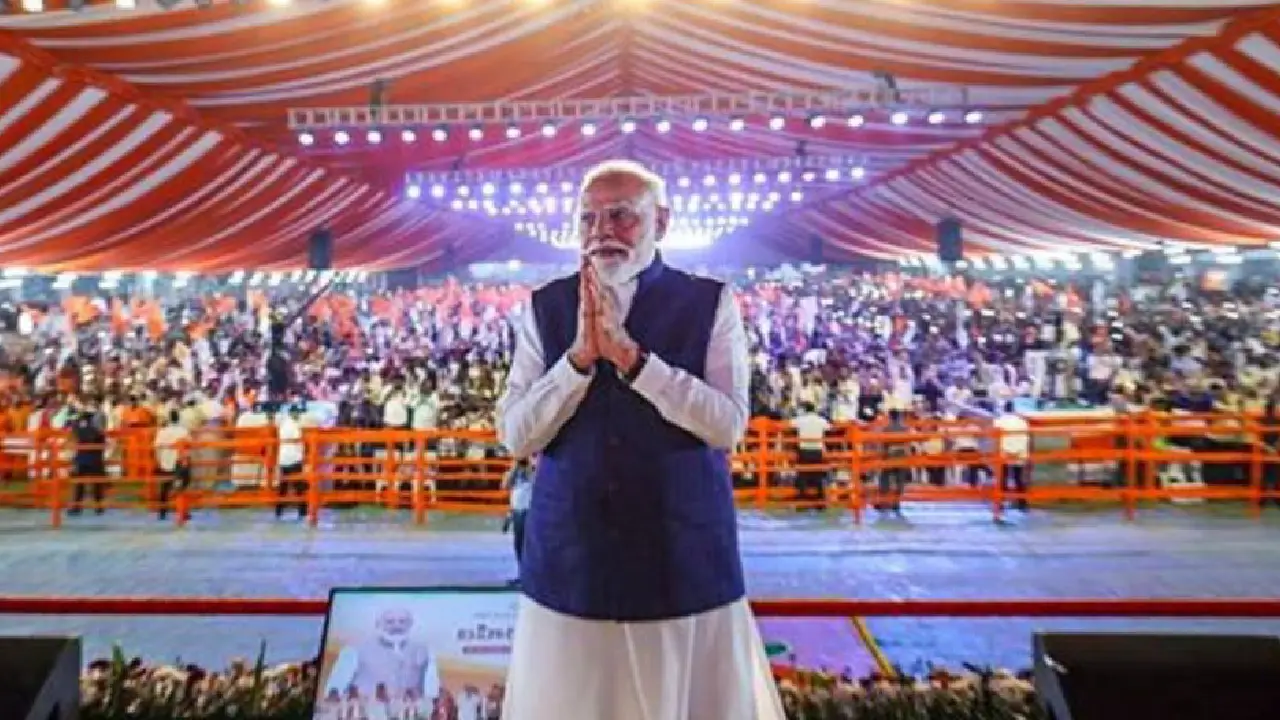
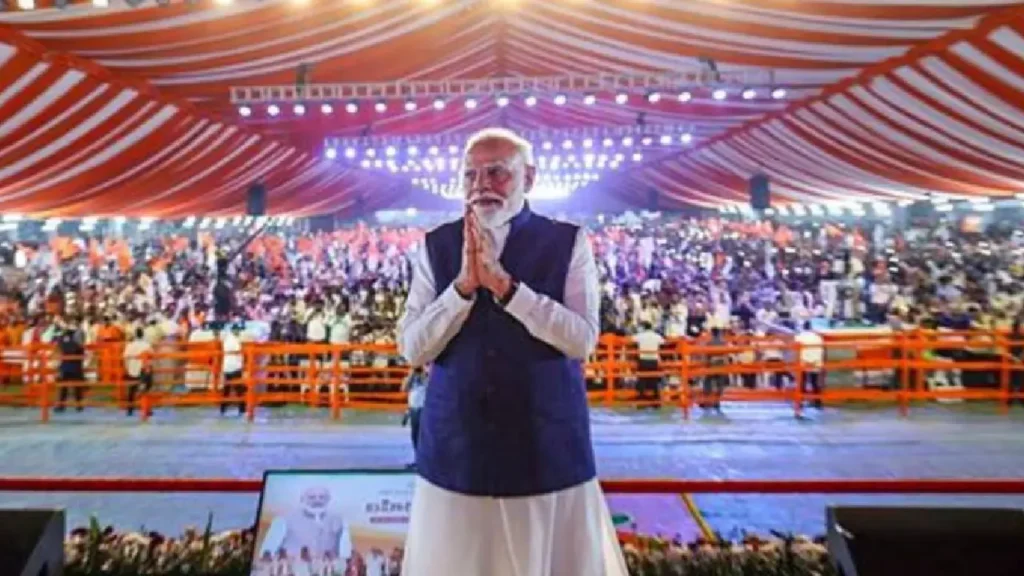
That is why Prime Minister Narendra Modi’s recent speech in Hyderabad caught my attention not just as political news, but as something that directly affects the future of travel and tourism in India. During his address amid the ongoing West Asia crisis, Modi urged citizens to reduce unnecessary fuel usage, postpone non-essential foreign travel, avoid excess gold purchases for a year, and adopt more energy-conscious habits.
At first glance, these suggestions may sound unusually personal for a national speech. But after observing India’s tourism ecosystem for years, I think the message reveals something much larger about the changing realities of travel, fuel dependency, and economic resilience.
Table of Contents
The West Asia Crisis Is Directly Affecting Travel Economics
Most travelers don’t actively think about crude oil markets while planning a vacation. But in reality, global oil prices influence almost every part of tourism.
India imports a major share of its crude oil requirements, and instability in West Asia creates immediate pressure on global energy markets. Recent tensions around the Strait of Hormuz and broader regional conflict have already triggered concerns over fuel supply disruptions and rising crude prices.
As someone who frequently travels by road, I’ve already noticed growing conversations among transport operators about rising operating costs. And when transportation costs rise, tourism feels the impact quickly.
Why the “Use Fuel Sparingly” Message Matters
One line from the speech stood out strongly to me. The Prime Minister asked citizens to use petrol, diesel, and gas “with great restraint” during the ongoing crisis. Honestly, this feels less like panic and more like preventive thinking.
India is one of the world’s fastest-growing mobility markets. Millions of people now travel regularly through:
- Personal vehicles
- Domestic flights
- Ride-sharing apps
- Tourism buses
- Intercity road networks
That growth has transformed tourism positively, but it has also increased dependence on imported fuel. From a traveler’s perspective, conserving fuel today could help stabilize travel affordability tomorrow.
His Advice About Metro Travel and Carpooling Was Surprisingly Practical
One thing I appreciated about the speech was its practical tone.
Rather than only discussing policy, Modi suggested everyday behavioral changes like:
- Using metro rail systems
- Carpooling
- Using electric vehicles
- Choosing railways for cargo movement
As someone who has traveled extensively in cities like Delhi, Bengaluru, and Hyderabad, I genuinely think urban India still underuses public transport compared to its potential. Modern metro systems have quietly become some of India’s most efficient tourism connectors. They reduce traffic pressure, save fuel, and make city travel far more predictable.
The Foreign Travel Remark Sparked Major Discussion
One of the most talked-about parts of the speech was the Prime Minister’s suggestion that Indians postpone non-essential foreign travel for one year. As a travel blogger, I understand why this statement generated strong reactions online. International travel has become deeply aspirational for India’s middle class.
Over the last decade, Indians have increasingly traveled to:
- Thailand
- Dubai
- Singapore
- Vietnam
- Europe
But the larger economic logic behind the statement is connected to foreign exchange conservation during a volatile global situation.
When millions travel abroad simultaneously during periods of global energy stress, foreign currency outflow rises significantly. That affects national economic stability in ways many ordinary travelers may not immediately realize.
Domestic Tourism Could Benefit Unexpectedly
Interestingly, if more Indians temporarily prioritize domestic travel over foreign trips, Indian tourism destinations may actually benefit.
I can already imagine increased interest in:
- Himalayan circuits
- Gujarat road trips
- Kerala backwaters
- Northeast India
- Rajasthan heritage tourism
India still has enormous untapped domestic tourism potential. And sometimes global uncertainty unintentionally strengthens local exploration. Personally, some of my best travel experiences have happened within India itself.
His Appeal About Gold Purchases Reflects a Bigger Economic Concern
Another striking point from the speech was the request to avoid purchasing gold for one year, especially during festivals and weddings.
At first, this may sound unrelated to travel. But it actually connects to India’s import dependency and foreign exchange usage. India remains one of the world’s largest gold-consuming countries, and gold imports heavily affect foreign currency reserves. When global uncertainty rises, governments often encourage reduced luxury imports to protect economic stability. As someone who observes travel trends closely, I think this reflects broader caution about preserving economic balance during uncertain times.
The Work-From-Home Suggestion Felt Like a Return to Pandemic Lessons
One part of the speech felt strangely familiar.
Modi suggested reviving systems developed during the Covid-19 period, including:
- Work-from-home models
- Online meetings
- Virtual conferences
And honestly, I understand the reasoning. During the pandemic, cities experienced dramatic reductions in traffic congestion and fuel usage. Many companies also discovered that hybrid work models remained operationally effective. If fuel pressures continue globally, flexible work systems may again become economically valuable.
Fuel Prices Influence Tourism More Than Most People Realize
Travelers often think only about flight prices.
But fuel costs influence nearly every tourism layer:
- Hotel supply chains
- Taxi pricing
- Bus operations
- Food transportation
- Adventure tourism logistics
Even remote homestays in mountain or desert regions become more expensive to operate when fuel prices rise sharply. This is why governments closely monitor energy crises during geopolitical instability. Tourism is one of the first sectors to feel the ripple effects.
India’s Energy Diversification Efforts Are Becoming More Important
The speech also highlighted India’s growing push toward:
- Solar energy
- Ethanol blending
- Electric vehicles
- Piped gas infrastructure
As someone who frequently travels across highways, I’ve noticed electric vehicle charging infrastructure slowly expanding in several states. The transition is still developing, but India is clearly trying to reduce long-term fuel vulnerability. And from a tourism perspective, sustainable mobility may eventually become a major competitive advantage.
The Psychological Side of the Speech Was Interesting
Beyond economics, I think the speech carried a broader message about national responsibility during uncertain global conditions. The tone wasn’t simply about restrictions. It was about collective participation. Modi repeatedly framed small lifestyle changes as contributions toward national resilience during international instability. Whether one agrees politically or not, the speech clearly attempted to connect everyday personal decisions with larger economic realities.
Travelers May Need to Plan Smarter in 2026
As someone deeply involved in travel content, I honestly believe Indian travelers may need to become more strategic over the coming months.
That could mean:
- Planning trips earlier
- Monitoring fuel-linked price increases
- Exploring nearby destinations
- Choosing rail travel more often
- Combining multiple destinations in one journey
Travel itself is unlikely to slow dramatically. But travel behavior may become more financially conscious.
India’s Domestic Connectivity Still Gives It Strength
Despite global uncertainty, one major advantage India still holds is its enormous domestic transport network.
The country has:
- Extensive rail infrastructure
- Growing expressway systems
- Expanding regional airports
- Large-scale bus connectivity
This means domestic tourism can remain resilient even when international travel becomes expensive. As a traveler, I think India’s internal tourism economy still has massive room for growth.
Conclusion: This Speech Was About More Than Fuel
After reading the full coverage of the Hyderabad speech, I don’t think the Prime Minister’s message was only about petrol or diesel. It was really about preparedness. The West Asia crisis has exposed how interconnected global energy, travel, and economic systems have become. And for travelers like me, the message feels especially relevant because tourism always reflects larger economic realities faster than people expect.
Flights, road trips, hotel costs, public transport, and even destination popularity can shift rapidly during global uncertainty. But at the same time, moments like this also remind me why local exploration matters. India remains one of the most geographically and culturally diverse countries in the world. And perhaps this period will encourage more travelers to rediscover destinations closer to home while becoming more mindful about how they travel.