As a travel blogger who has spent years exploring India’s roads, railways, and skies, I never imagined that one day I would be writing about flights that don’t need runways.
But that moment has arrived.
India is officially stepping into a new era with the launch of its first dedicated commercial seaplane service. And honestly, this feels like more than just a transportation update – it feels like a transformation in how we experience travel.
When I first read about it, I didn’t just see a new service. I saw possibilities.
Table of Contents
1. What Exactly Has Been Launched? My Understanding
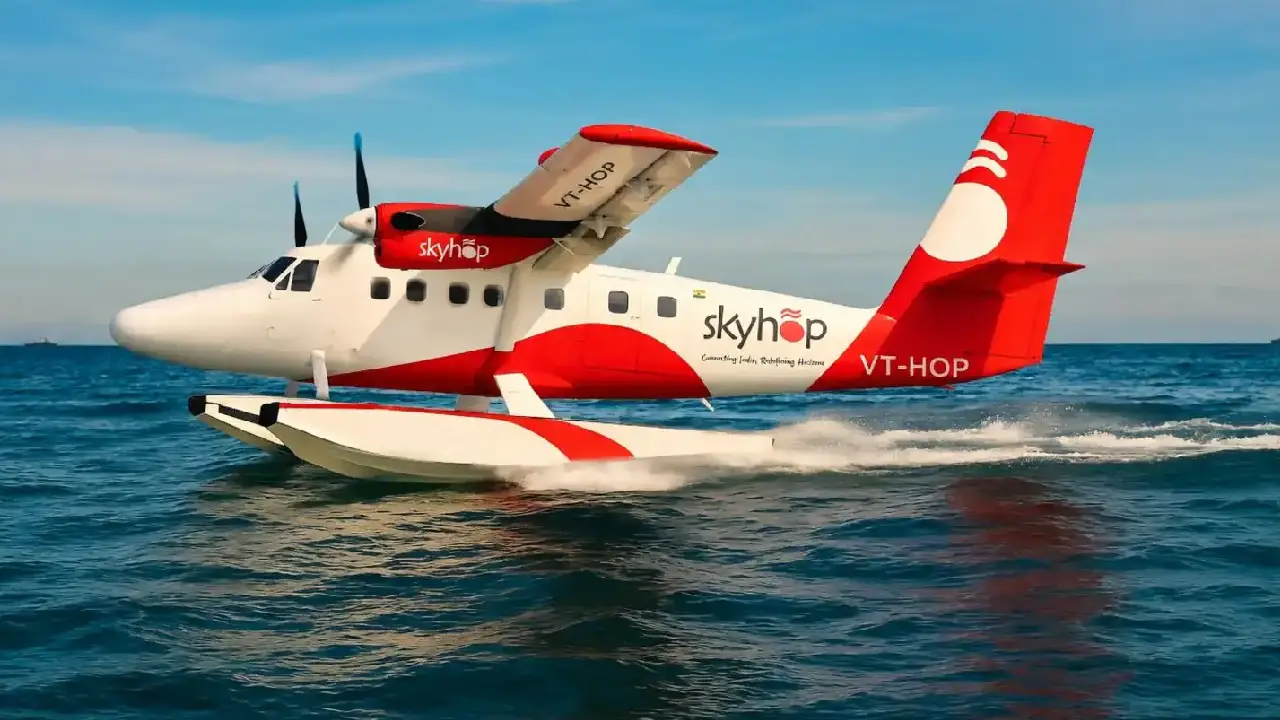
India’s aviation sector has taken a major leap forward with the approval of its first commercial seaplane operator, SkyHop Aviation.
The company has received an Air Operator Certificate from the Directorate General of Civil Aviation (DGCA), which officially allows it to begin operations.
This isn’t just another airline launch – it’s the beginning of water-based aviation in India.
And as someone who loves discovering new travel formats, this excites me deeply.
2. What Makes Seaplanes So Different?
If you’re like me, your first question might be: How is this different from a normal flight?
Here’s the simple answer:
A seaplane is an aircraft that can take off and land on water instead of a runway.
That means:
- No need for large airports
- Access to remote islands and lakes
- Faster connections in difficult terrains
From a traveler’s perspective, this opens doors to places that were previously hard to reach.
3. Why Lakshadweep Is the Perfect Starting Point
The first phase of operations is expected to begin in Lakshadweep, and honestly, I think this is a brilliant decision.
Lakshadweep is:
- Beautiful but remote
- Limited in airport infrastructure
- Dependent on slow inter-island transport
With seaplanes, the plan is to connect five islands internally and also link them to the mainland.
For travelers like me, this means:
👉 Less travel time
👉 Easier island hopping
👉 More immersive experiences
4. The Aircraft and Capacity: What to Expect
From what I’ve gathered, the service will initially use 19-seater aircraft, designed specifically for water operations.
This small capacity is actually a good thing.
It means:
- Personalized travel experience
- Less crowd
- More exclusive journeys
It reminds me of boutique travel – something I personally prefer over mass tourism.
5. My Reaction: This Changes How We Think About Travel
Let me be honest – this development made me rethink how travel works in India.
Until now, we’ve been dependent on:
- Roads
- Railways
- Airports
But now, water bodies are becoming travel routes.
India has thousands of:
- Rivers
- Lakes
- Coastal regions
And suddenly, all of them feel like potential gateways.
6. The Bigger Goal: Regional Connectivity
From my understanding, this initiative is not just about tourism – it’s about connectivity.
Seaplanes can:
- Reach areas where airports are not feasible
- Reduce travel time significantly
- Improve access to remote destinations
This aligns with India’s broader push toward improving regional travel networks.
And as someone who promotes rural and offbeat tourism, I see huge potential here.
7. The Journey Behind This Launch
What many people don’t realize is that this launch didn’t happen overnight.
Before getting approval, the company conducted successful test flights, including take-offs and landings on water bodies like the Ganga Barrage and Tehri Lake.
These trials proved that:
- The technology works in Indian conditions
- Operations can be safe and reliable
This gives me confidence as a traveler.
8. My Personal Imagination: What This Experience Will Feel Like
If I imagine myself boarding a seaplane, here’s what excites me:
- Taking off from water instead of a runway
- Flying low over scenic landscapes
- Landing directly near a destination
This is not just transportation – it’s an experience.
It feels like a mix of:
🚤 Boat journey
✈️ Flight
🌴 Adventure
9. Impact on Tourism: A Game-Changer
From a tourism perspective, I believe this could be revolutionary.
Seaplanes can:
- Boost island tourism
- Promote lesser-known destinations
- Create premium travel experiences
For places like Lakshadweep, this could mean:
- More visitors
- More income for locals
- Better infrastructure development
10. Economic Opportunities I Can Clearly See
Whenever a new travel system is introduced, it creates a ripple effect.
This initiative can lead to:
- Job creation (pilots, crew, ground staff)
- Growth in hospitality sector
- New tour packages and experiences
It’s not just about travel – it’s about economic growth.
11. Challenges That Still Exist
While I’m excited, I also see some challenges:
- Weather dependency (water operations can be tricky)
- Higher ticket costs initially
- Need for awareness among travelers
But every new system faces these hurdles.
And with time, these challenges can be addressed.
12. A Look Back: India Has Tried Before
Interestingly, India has experimented with seaplane services before – like the route between Ahmedabad and the Statue of Unity.
But those efforts didn’t scale well.
This time feels different.
Why?
Because now there is:
- Better planning
- Policy support
- Clear business models
13. What This Means for Future Travel in India
Looking ahead, I see seaplanes expanding to:
- Kerala backwaters
- Northeast river regions
- Coastal tourism circuits
Imagine flying from one beach to another… or landing near a remote village.
That’s the future we’re stepping into.
14. My Advice to Travelers
If you’re planning to try this new experience, here’s what I’d suggest:
1. Be an early adopter
You’ll experience something truly unique.
2. Plan ahead
Availability may be limited initially.
3. Stay flexible
Weather can impact schedules.
4. Focus on experience, not just speed
This is about the journey as much as the destination.
15. Why This Matters to Me Personally
As someone who promotes homestays, rural tourism, and offbeat travel, this development feels personal.
Because it means:
- More access to unexplored places
- More opportunities for local communities
- More diverse travel experiences
It aligns perfectly with the kind of travel I believe in.
Conclusion: India’s Travel Story Just Got More Interesting
After understanding this new seaplane service, one thing is clear to me:
India is not just improving travel – it’s reinventing it.
From roads to rails to skies – and now water – the country is expanding how we move, explore, and experience destinations.
For travelers like me, this is exciting.
Because every new mode of travel brings:
- New stories
- New perspectives
- New adventures
And honestly, I can’t wait for the day when I step onto a seaplane, feel the gentle movement of water beneath me, and take off into a completely new kind of journey.
Because sometimes, the best way to discover a place… is to arrive in a way you’ve never experienced before.