As someone who travels extensively across India and writes about it from personal experience, I’ve always believed that travel is not just about destinations – it’s also about awareness.
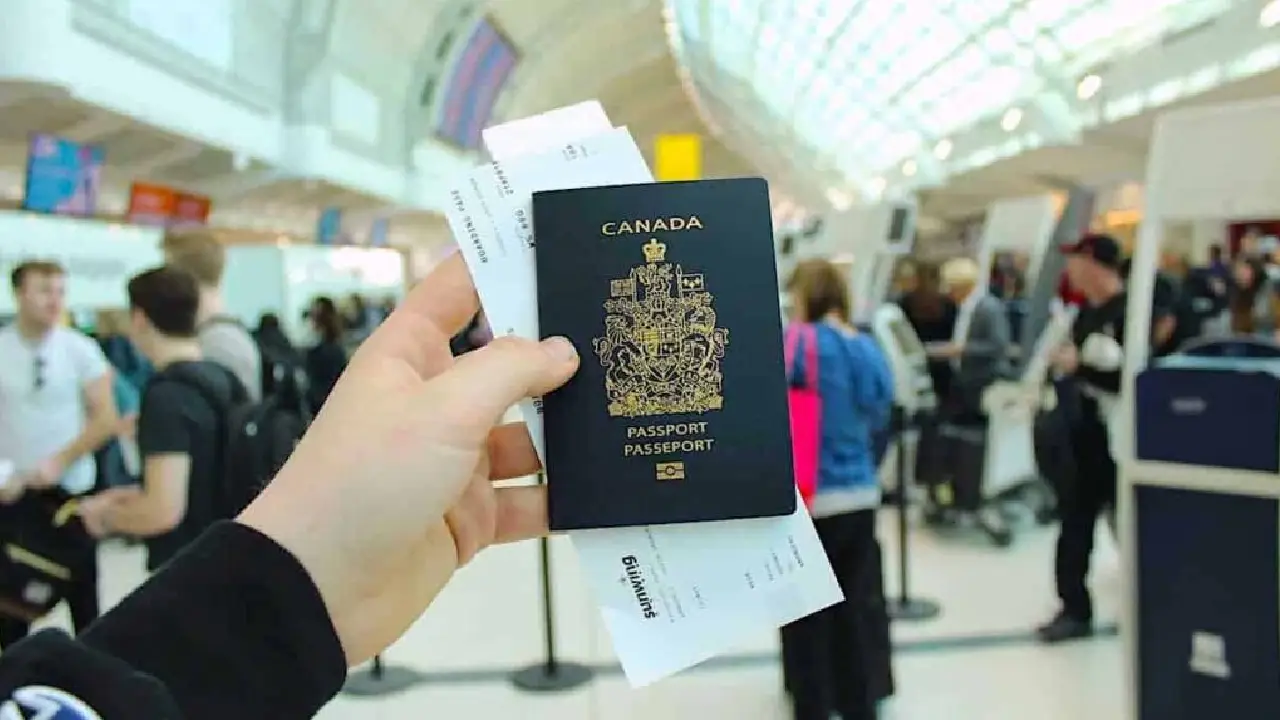
Recently, I came across news that the Government of Canada has issued a heightened travel caution for India, and it immediately caught my attention.
Not because such advisories are uncommon, but because they often shape how international travelers perceive a destination.
So in this article, I want to break down what this advisory means, what’s actually happening on the ground, and how travelers – especially foreigners – should interpret it.
Table of Contents
1. What Canada’s Travel Advisory Actually Says
From what I’ve understood, Canada has advised its citizens to exercise a high degree of caution while traveling to India.
The reasons cited include:
- Security concerns near the Line of Control (LoC)
- Ongoing unrest in Manipur
- Closure of the Attari-Wagah Border
Now, this might sound alarming at first glance – but context matters.
And that’s where I think most travelers need clarity.
2. Understanding the Line of Control (LoC) Concern
The Line of Control is a sensitive border area between India and Pakistan.
Travel advisories often mention it because:
- It’s a militarized zone
- Civilian access is restricted
- Tensions can fluctuate
But here’s the reality from my perspective:
- Most travelers never go anywhere near the LoC
- Tourist circuits are far removed from these areas
Even in regions like Jammu and Kashmir, popular tourist spots operate normally with proper security.
3. The Situation in Manipur: What Travelers Should Know
Another key point in the advisory is unrest in Manipur.
Yes, there have been periods of tension in this northeastern state. And as a responsible traveler, I always recommend staying updated on local conditions.
But it’s also important to understand:
- India is vast and diverse
- Issues in one state do not reflect the entire country
For example, while Manipur may face challenges, destinations like:
- Goa
- Jaipur
- Kerala
continue to welcome millions of tourists safely.
4. Attari-Wagah Border Closure: Why It Matters
The closure of the Attari-Wagah border is another factor mentioned.
This border crossing is symbolic and often visited for its ceremonial parade.
However, its closure mainly affects:
- Cross-border movement
- Trade and diplomatic interactions
For regular tourists, this has minimal impact unless they specifically planned to visit the ceremony.
5. My Personal Experience Traveling Across India
Having traveled across multiple states in India, I can say this confidently:
- Most tourist destinations are safe and well-managed
- Infrastructure and security have improved significantly
- Local hospitality remains one of India’s strongest assets
From homestays in rural Gujarat to busy cities and hill stations, I’ve rarely felt unsafe when traveling responsibly.
6. Why Travel Advisories Are Issued
Travel advisories are not meant to scare people – they are meant to inform.
Countries like Canada issue them to:
- Protect their citizens
- Provide risk awareness
- Encourage cautious travel
In fact, many countries issue advisories for multiple destinations – including developed nations.
So this is not something unique to India.
7. The Gap Between Perception and Reality
One thing I’ve noticed over the years is the gap between global perception and local reality.
When international media highlights specific issues, it can create a broader image that doesn’t always reflect day-to-day life.
For example:
- A localized issue becomes a national concern
- A temporary situation feels permanent
As a traveler on the ground, I see a different picture – one that is dynamic, diverse, and largely welcoming.
8. What This Means for Foreign Tourists
If you’re a foreign traveler planning to visit India, here’s my honest advice:
1. Stay informed, not fearful
Check official updates, but don’t rely only on headlines.
2. Avoid sensitive regions
There are clear guidelines on areas to avoid – follow them.
3. Choose well-known travel circuits
India offers countless safe and popular destinations.
4. Travel responsibly
Respect local culture and follow basic safety practices.
9. India’s Tourism Strength Still Remains Strong
Despite such advisories, India continues to attract millions of tourists every year.
Why?
Because it offers:
- Cultural diversity
- Spiritual experiences
- Natural beauty
- Affordable travel options
From the deserts of Rajasthan to the beaches of Goa and the backwaters of Kerala – India remains unmatched in variety.
10. The Role of Media and Information
In today’s digital age, information spreads quickly.
But not all information is complete.
As travelers, we need to:
- Cross-check sources
- Understand context
- Avoid generalizing
Because one headline cannot define an entire country.
11. My Take as a Travel Blogger
From my perspective, this advisory is a reminder – not a warning sign.
It reminds us to:
- Travel smart
- Stay aware
- Respect local conditions
But it does not change the essence of India as a travel destination.
12. Responsible Travel Matters More Than Ever
Whether you’re traveling in India or anywhere else, responsibility is key.
That means:
- Following local rules
- Staying updated on conditions
- Being respectful and cautious
Travel is not just about freedom – it’s about awareness.
13. Opportunities Amid Challenges
Interestingly, such advisories also highlight the need for:
- Better communication
- Stronger tourism infrastructure
- Transparent updates
And India has been steadily improving in all these areas.
14. Why I Still Recommend Traveling to India
Even after reading this advisory, my recommendation remains the same:
Yes, visit India – but travel wisely
Because what India offers is not just destinations – it’s experiences.
Experiences that are:
- Deep
- Cultural
- Transformative
Conclusion: Travel With Awareness, Not Assumptions
The recent travel advisory by Canada is important – but it’s not the full story.
As someone who travels across India regularly, I see a country that is:
- Complex but welcoming
- Diverse but connected
- Challenging but rewarding
Travel today is not just about where you go – it’s about how you go.
So if you’re planning a trip to India:
Stay informed.
Plan smartly.
And most importantly – experience it for yourself.
Because sometimes, the best way to understand a place…is to see it beyond the headlines.