There was a time when my trips were packed. Wake up early. Cover five attractions. Click photos. Post stories. Move to the next place. I used to think that was travel.
But recently, while reading about the rising trend of quiet retreats in India, something clicked. It felt like the industry was finally catching up with what many of us have been silently craving – a pause.
This new wave of travel isn’t about doing more. It’s about doing less – and feeling more.
Table of Contents
1. The News That Made Me Pause
According to a recent report, Indian travelers in 2026 are increasingly moving away from hectic itineraries and choosing “quiet retreats” – spaces that offer stillness, nature, and mental clarity instead of crowded sightseeing.
What stood out to me wasn’t just the trend itself, but the reason behind it:
👉 Digital burnout
👉 Constant connectivity
👉 Mental fatigue
And honestly, I didn’t need data to relate to that. I’ve felt it.
2. What Quiet Retreats Actually Mean (Beyond the Buzzword)
When I first heard the term “quiet retreat,” I imagined luxury resorts with no Wi-Fi. But it’s deeper than that.
These retreats focus on:
- Minimal schedules
- Nature immersion
- Digital detox
- Mindful living
It’s not about escaping the world completely – it’s about reconnecting with it differently.
3. My Realization: We Were Traveling Wrong (Or At Least Incomplete)
As I reflected on my past trips, I noticed a pattern: I was always chasing experiences, but rarely absorbing them.
Even in the mountains, I was:
- Checking notifications
- Planning the next stop
- Thinking ahead instead of being present
Quiet retreats challenge that mindset. They don’t give you a checklist – they give you space.
4. The Rise of “Stillness Tourism” in India
This shift isn’t random. Travel trends in 2026 show a clear movement toward intentional and meaningful experiences, where travelers prioritize wellness, nature, and personal growth over crowded attractions.
In simple terms:
👉 People are no longer traveling just to see places
👉 They are traveling to feel better
And that’s a powerful shift.
5. Why India Is Perfect for This Trend
If you think about it, India has always been the land of slow living.
From Himalayan monasteries to Kerala backwaters, the country naturally offers:
- Silence
- Spiritual depth
- Natural beauty
Luxury retreats today are simply packaging what India already had. And doing it in a way that modern travelers can access.
6. Luxury Has Changed – And I Felt That Shift
Earlier, luxury meant:
- Bigger rooms
- Expensive interiors
- More amenities
But now, luxury feels like:
- No notifications
- No deadlines
- No noise
This idea of “quiet luxury” is growing globally, where simplicity and calm are valued more than excess. And honestly, I find this version of luxury far more appealing.
7. The Digital Detox I Didn’t Know I Needed
Let me be honest – I’m always online. As a travel blogger, my work depends on it.
But that also means:
- Constant scrolling
- Continuous updates
- No real break
Quiet retreats offer something rare:
The permission to disconnect. And when you do that, something unexpected happens – you start noticing things again.
8. Nature Becomes the Main Experience
In most trips, nature is just a background. In quiet retreats, it becomes the highlight.
You wake up to:
- Bird sounds instead of alarms
- Fresh air instead of traffic noise
- Open views instead of screens
And suddenly, you realize how much you were missing.
9. The Psychology Behind This Shift
What fascinated me most is the psychology behind this trend.
People today are:
- Overworked
- Overstimulated
- Overconnected
So naturally, they are seeking:
- Simplicity
- Calm
- Space
This is not just a travel trend – it’s a lifestyle response.
10. Who Is Choosing Quiet Retreats? (It’s Not Who You Think)
You might assume this trend is limited to older travelers or wellness seekers. But that’s not true.
From what I’ve observed:
- Young professionals are embracing it
- Digital creators are seeking it
- Even families are trying it
Because everyone, at some level, feels the need to slow down.
11. The Experience Is Subtle – but Powerful
Quiet retreats don’t offer dramatic moments. There’s no adrenaline rush. No big highlight.
But what they offer is something deeper:
- Clarity
- Calmness
- Reflection
And those are things you carry back with you.
12. My Imagined Day at a Quiet Retreat
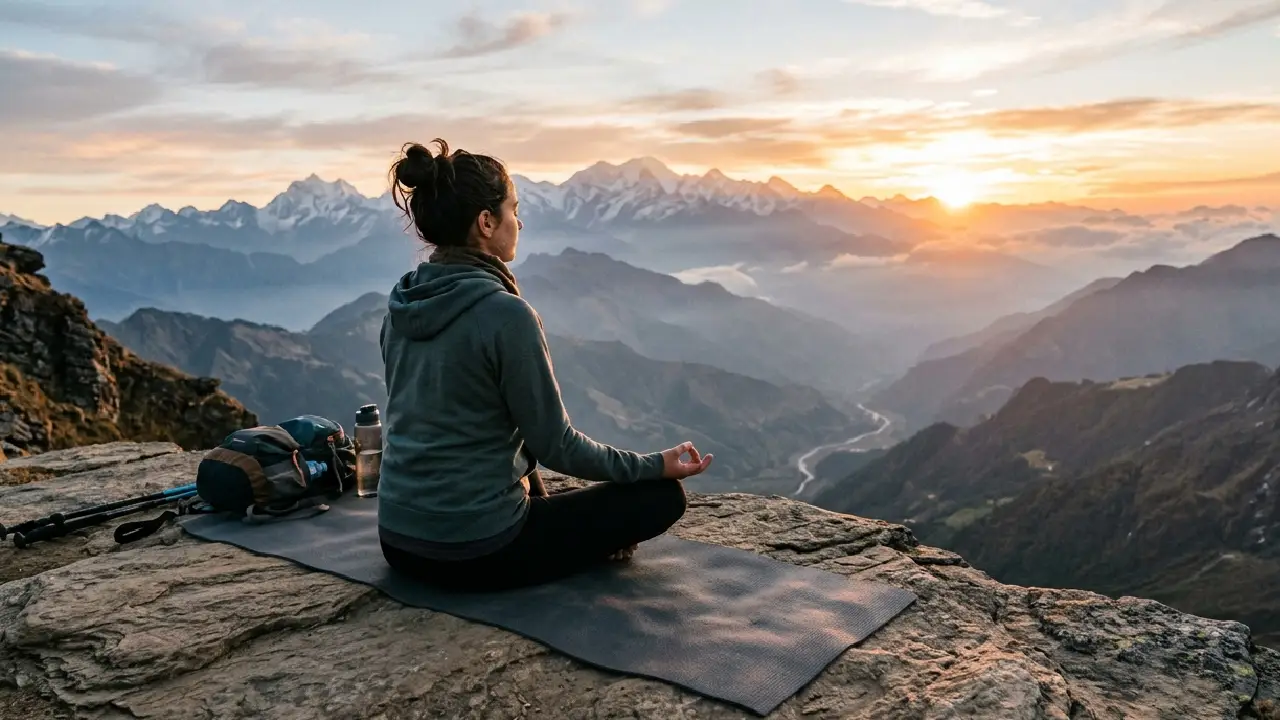
If I had to describe what a day would feel like, it would be this:
Morning:
- Wake up without an alarm
- Sip tea with a view
Afternoon:
- Walk through nature
- Read or write
Evening:
- Watch the sunset
- Sit in silence
No rush. No pressure. Just presence.
13. Challenges of This Kind of Travel
Let me be honest – this isn’t for everyone.
Quiet retreats can feel:
- Too slow
- Too silent
- Too disconnected
Especially if you’re used to fast-paced travel. But maybe that discomfort is part of the process.
14. What This Means for the Future of Travel
This trend tells me something important: Travel is evolving.
It’s moving from:
❌ “How much can I cover?”
to
✅ “How deeply can I experience?”
And that’s a shift I fully support.
15. My Personal Take: Would I Try It?
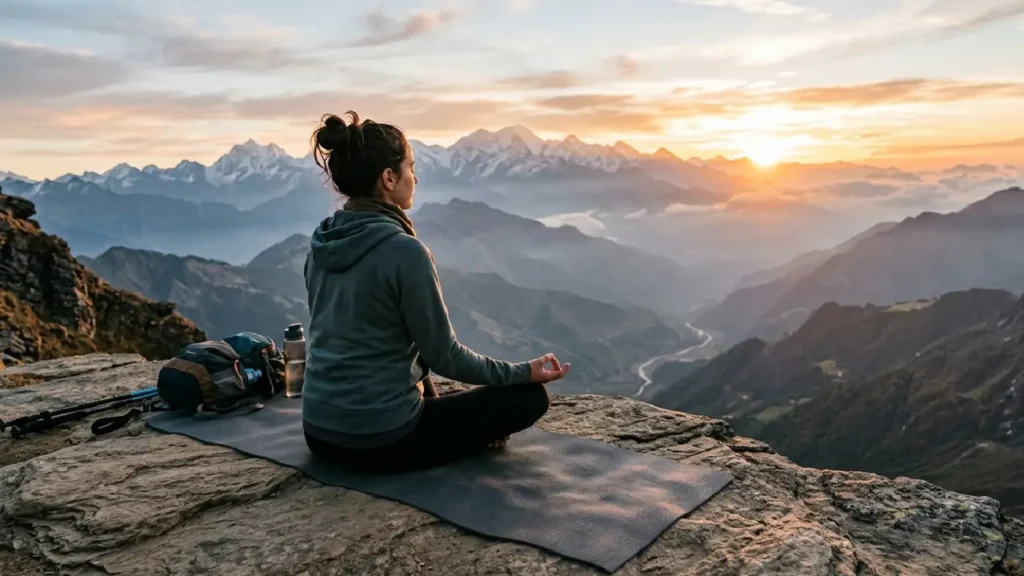
Yes. Not just as a traveler – but as a person who needs balance. Because I’ve realized something: Sometimes, the best journeys are not about moving but about stopping.
Conclusion: Silence Is No Longer Empty – It’s Valuable
After understanding this trend, one thing is clear to me:
Quiet retreats are not a luxury trend – they are a necessity. In a world that is constantly demanding our attention, choosing silence is a powerful decision. And India, with its natural diversity and spiritual depth, is perfectly positioned to lead this movement.
So the next time I plan a trip, I might not look for:
- The busiest destination
- The most attractions
Instead, I’ll look for something simpler: A place where nothing happens and yet, everything changes.