The journey across India is an exciting experience, due to its diverse cultures and landscapes. If you are planning a trip being sure to stay safe when traveling on Indian roads is essential. It ensures you have a pleasant and stress-free trip.
If you follow the correct guidelines for traveling with the right travel tips, you’ll be able handle any challenges while enjoying the trip. No matter how experienced or unfamiliar with traveling, understanding how to avoid them and taking precautions to reduce them are crucial. In this way, you’ll be able take in the beautiful Indian landscape and rich tradition while remaining secure.
Planning Your Journey on Indian Highways
When you are planning your journey through India it is important to think ahead. It will ensure that your journey is fun and secure. Prepare yourself for all the roadways and facilities you’ll come across.
Researching Your Route and Road Conditions
The first step is to research your route on the Internet. Make use of travel apps and sites to find out about the road’s conditions as well as locate rest breaks. Forums on Indian road trips can provide excellent tips and suggestions.
Optimal Times for Travel on Different Highway Types
The best time for traveling on the highways is essential. The major roads, like those of the Golden Quadrilateral get crowded during holiday seasons. If you travel during quieter times, it will make the trip more enjoyable.
Planning Rest Stops and Overnight Accommodations
Seek out places to rest that offer good meals as well as restrooms and fuel. Additionally, you should book your over night stays in advance, particularly in busy times. Select guesthouses or hotels which are geared towards travelers.
Highway Amenities and Facilities to Look For
Search for clean restrooms with reliable food and gas stations in rest stops. Some highways have repairs and parking facilities too. Understanding what’s offered will allow you to enjoy your travels and ensure you are prepared to face any road obstacles.
Essential Vehicle Checks Before Your Indian Road Trip
When you are ready to travel through India Make sure that your car is in good condition. An inspection can help prevent crashes and incidents. This is essential for a secure and enjoyable trip.
Comprehensive Mechanical Inspection Checklist
Make sure you conduct a thorough mechanic examination. Check your transmission, engine as well as suspension, for signs of damage. Examine for damaged belts, leaks as well as corrosion. An experienced mechanic will be able to spot problems that you may not notice.
Tire and Brake Safety for Long Journeys
The brakes and tires are essential to ensure you are safe on long journeys. Make sure you check tire pressure and tread depth. Check that your brakes are working properly. A good set of brakes and tires reduce the chance of an accident.
Fluid Levels and Battery Health
Battery and fluid checks are equally important. Examine the levels of coolant, engine oil brake and transmission liquid levels. Examine the battery’s terminals for signs of corrosion. If you’re travelling during monsoon season, additional inspections are required.
Additional Checks for Monsoon Season Travel
In the middle of the monsoon? Pay attention to the condition of your vehicle. Make sure you check the wipers on your windshield and tread on tires for muddy roads. You might consider a snorkel to help in flooded regions. An up-to-date vehicle is vital in the event of bad weather.
Documentation and Legal Requirements
A pleasant and easy journey across India is only possible with the proper documents. The possession of all the necessary documents is crucial to ensure a stress-free trip.
Essential Documents for Interstate Travel
If you plan to take traveling across state lines it is necessary to have an official driver’s license that is valid along with a registration for your vehicle as well as a pollution control (PUC) certificate. Check that your driver’s license valid in all the states you’ll travel to.
Insurance and Emergency Contact Information
A comprehensive insurance which covers your car throughout India is vital. Keep a record of emergency contacts number, such as those of your insurance service provider as well as roadside assistance.
Understanding Highway Tolls and Regional Permits
Know about road tolls as well as regional permit required for specific routes. Understanding this information can help you determine your route and budget more effectively.
FASTag and Electronic Toll Collection Systems
FASTag Electronic toll collection device, will make it easier to wait at the booths for tolls. A FASTag on your vehicle can make the journey more enjoyable.
Must-Have Safety Equipment for Indian Highways
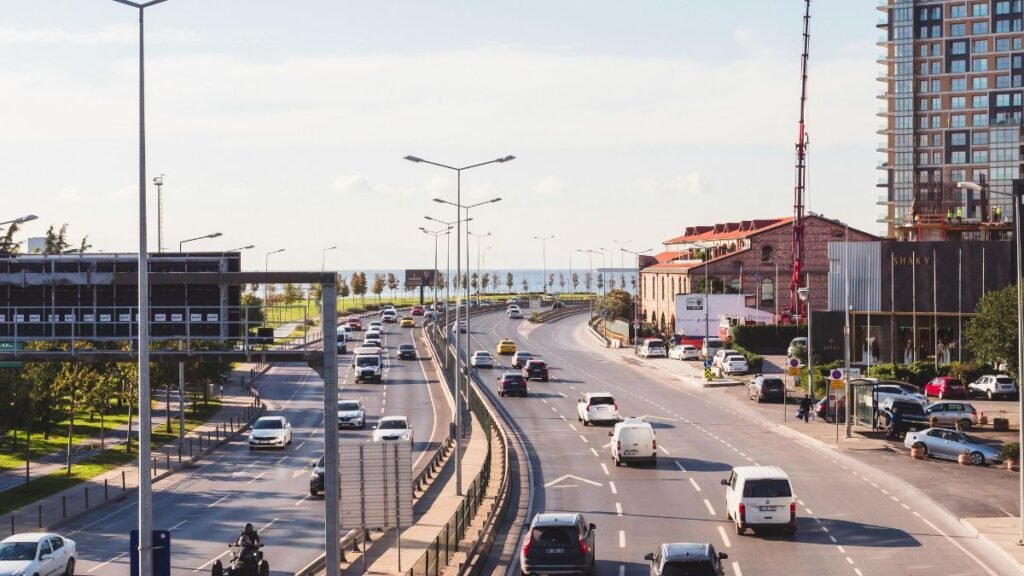
Being able to travel on Indian roadways without a hitch and enjoying the journey is essential. It is essential to have the appropriate equipment for the diverse roads as well as unexpected traffic. It is crucial to be prepared.
Emergency Toolkit Essentials
A emergency kit is essential for every road trip. The kit should include additional tires along with jacks, as well as essential tools such as screwdrivers and wrenches. They can be used to fix small problems and avoid being stuck.
First Aid Supplies for Road Emergencies
First-aid supplies can be essential to treat minor accidents on the roads. The kit must contain bandsages, antiseptic wipes painkillers, as well as any medication you have in your own home. A fully-stocked first-aid kit can be an essential tool during situations of emergency.
Communication and Navigation Devices
Keeping connected and in the right direction is essential during your travels. Be sure to have reliable tools for communication including a mobile phone, an backup battery supply and a GPS. They can help you navigate in unfamiliar locations and can call for assistance whenever needed.
Backup Power Solutions for Electronic Devices
An back-up energy solution is crucial for keeping your devices fully powered. You can consider a portable power source and car power supply. It will ensure that your navigational as well as communications gadgets remain functional.
By using these essential safety equipment necessary for your safety, you’ll be able to significantly increase your security when traveling on Indian roads. Have a safe and pleasant journey.
Read More:-
- Which is the Cheapest Country To Travel from India without Visa?
- Travel Tips for Wildlife Safaris in India ?
- India Travel Packing Guide: Prepare for Any Climate & Season
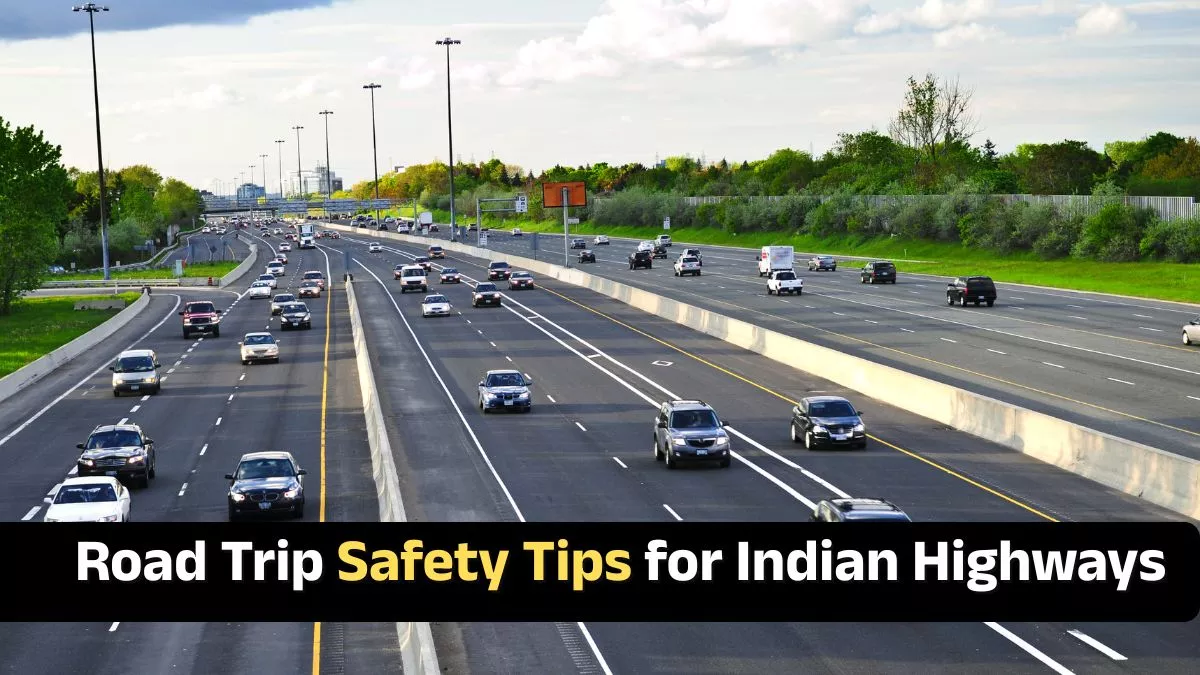
Road Trip Safety Tips for Indian Highways
A road excursion through India is much more than an enjoyable journey. You need experience, prudence and knowing the road ahead. While driving through busy streets using defensive driving methods is crucial to ensure all drivers secure.
Defensive Driving Techniques for Indian Traffic
Driving defensively involves being constantly conscious of the surroundings. When driving on Indian roads, it is essential be aware of sudden traffic changes, unexpected stops and lane shifts. Maintain a safe distance from the road and be aware of drivers who do not follow traffic laws.
Managing Diverse Traffic Conditions
Indian roads are full of traffic from speedy cars to slow trucks. Be alert and attentive. Make use of your mirrors and examine the blind spots frequently. You can adjust your speed according to the speed of traffic.
Night Driving Precautions on Poorly Lit Roads
Night time driving on Indian highways can be difficult because of the poor lighting. Be cautious and make use of high beams if you are able to. Keep an eye out for people, animals and vehicles without light sources. Avoid looking at headlights coming towards you so that you don’t get lost in the darkness.
Monsoon and Seasonal Driving Adjustments
In the monsoon season, roads are often slippery and flood-prone. Be cautious and slow down, using a lower gears uphill. Be aware of landslides as well as fallen debris. Also, be prepared for heavy or dense rain that could reduce visibility.
Handling Stray Animals as well as unexpected Obstacles
The animals that roam can pose dangers when driving on Indian highways, particularly in the evening. Be cautious if you spot wildlife in the vicinity of the road. If you encounter unintentionally take your time and slow it down before trying to get around it. If the risk is too high you should stop and consider the situation before proceeding.
If you follow these tips for safety You can reduce your chance of being involved in an accident while driving in Indian roads. Be safe, be vigilant, and have fun on the journey across this stunning nation.
Navigating Challenging Road Conditions
The driving through Indian highways is a matter of experience and a lot of patience. It’s a different landscape that have their own dangers and challenges.
Handling Mountain Roads and Ghats
Mountains roads as well as Ghats include steep hills and sharp curves. They also experience unpredictable weather. Be sure to lower the speed and shift to less gears to manage.
Keep an eye out for landslides or the falling of rocks. This is more prevalent during monsoons.
Desert and Rural Highway Safety
Desert or rural roads are arid and have no amenities, as well as low visibility. Check that your vehicle has food, water, as well as a first aid kit. Take care of animals, pedestrians, as well as cars that do not follow the regulations.
In dealing with Unmarked Roads and Construction Zones
Roads that are not marked or areas of construction pose a risk. These areas are usually not marked with markers or signs. Be cautious and prepare to make sudden adjustments.
Watch out for the presence of employees or equipment as well as warning signs for detours.
Regional Road Hazards Across Different States
Each state of India comes with their own roads risks. In the case of Rajasthan, for instance in Rajasthan, those in the Western Ghats are steep with steep slopes as well as hairpin curves. Rajasthan’s desert roads are prone to danger due the possibility of sandstorms.
Understanding the local roadway conditions can help you remain protected when traveling on Indian roads.
Cultural Considerations and Local Interactions
As you begin your journey in India understanding the culture of India and knowing how to communicate with locals is crucial. India is a melting pot of styles, languages, and practices. Being aware of these could aid in your travels.
Language Barriers and Communication Tips
A major obstacle to your travels could be difficulties with speaking. Although a lot of Indians can speak English but it’s not universally spoken. Use a phrasebook, or an app for translation to your mobile. Smiling “hello” (nmste I’m Namaste) or “thank for your” (dhnyvaad Dhanyavad) Dhanyavad) in the local language indicates the respect.
Regional Customs to Be Aware Of
India is home to a variety of local traditions and practices. Understanding these will make it easier to avoid making mistakes. As an example, in certain areas, eating food using your left hand can be considered unacceptable. For others, removing the shoes prior to going into a home or temple is considered polite. Knowing these traditions will make you more comfortable.
Secure Interaction with Locals as well as Highway Vendors
Interacting with locals as well as street vendors is a great way to have fun. For safety, you must be friendly and courteous. If you are buying something, try to make sure you negotiate the price and are prepared to bargain. Also, avoid the food and drinks offered by strangers.
Respecting Religious and Cultural Sites Along Highways
While traveling there will be several places of worship and culture. Be modest and take off shoes when you are asked to do so. Respecting these locations enhances your experience and allows you to connect with the people
Handling Emergencies on Indian Roads
Travelling through the diverse terrains of India is about being ready to deal with unexpected events. Even with the best of planning unplanned events can occur. Being prepared is extremely helpful.
Vehicle Breakdown Procedures
If your car breaks down, find a safe spot quickly. Switch on your hazard light to alert others. Make sure you have an emergency kit and spare tire on hand to address issues quickly. If you are unable to fix the issue contact roadside assistance or an expert local to your area.
Medical Emergencies During Travel
In case of medical emergency situations you can dial the emergency number in your local area, or go to the hospital quickly. Have a first aid kit that includes bandages, antiseptic pads, as well as painkillers. If you notice someone has been badly injured be sure to keep them safe and protected until help arrives.
Handling the aftermath of accidents and reporting protocols
In the aftermath of an accident, be sure that everyone is secure. Inform the police as well as your insurance company immediately. Make sure you take photos and share the information with other drivers.
Highway Patrol and Emergency Services Contact Information
Make sure you know the number to call police, ambulance and fire. Make sure to keep these numbers as well as the emergency contact numbers in your pocket.
Using Highway SOS Phones and Emergency Apps
Indian highways are equipped with SOS phones. Find SOS phones, and utilize them in emergency situations. Download emergency apps to help you quickly, and get warnings.
Be prepared to deal with situations of emergency and being able to respond can help keep you safe in Indian roads.
Conclusion: Enjoying a Safe Journey Across India
Beginning a journey in India could be an unforgettable experience. If you follow the proper actions, you’ll be able to make sure that it’s secured. Make a plan for your journey, inspect your vehicle, and be aware of the culture of your destination to make your travel experience.
The diverse landscapes of India and diverse cultures demands safety along the roads. Make use of the defensive method of driving and be aware of different types of traffic and prepare to handle any emergency. If you’re cautious and excited and excitement, you’ll be able to witness the beauty of India.
Being safe during a road journey is not just about adhering to the rules. It’s about staying alert and taking good care. In this way, you will be able to take in the stunning Indian landscape exciting cities, vibrant cities and an extensive history. It will be a memorable trip along the Indian highways.
FAQ
What are the most important documents necessary in order to make a trip through India?
You’ll require the driver’s licence and registration for your vehicle. In addition, insurance documents and a pollution-control certificate are essential. It is recommended to have identification proofs such as one of the Aadhaar Card or passport.
What can I do to ensure that my car is prepared for an extended road trip along Indian roads?
Make sure your car’s mechanics are in good shape thorough. Check the pressure of your tires, brake pads as well as the level of fluid. Check that your batteries are in great health. An appointment prior to the trip is an excellent idea.
What safety gear must I bring with me on my journey?
Keep the emergency kit including extra tires, jacks as well as basic tools. first aid kits as well as communication tools are vital. Be sure to include navigation tools as well as batteries to the devices you use.
How do I get around the difficult conditions of roads along Indian highways?
Utilize safe driving methods to manage tough roads. Make yourself ready for a variety of road conditions. Be cautious on nighttime dark roads, and alter your speed according to the seasons.
What can I do in the event in the event of a car breakdown or collision on the roadway?
If your car breaks down and you need to get it repaired, park in a secure location and utilize the warning triangles, flares, or other devices. If you experience incidents that result in injuries, you should report them to the police as well as the insurer. If medical assistance is required, report it to the police.
What can I do to ensure my safety in my interactions with locals and street vendors?
Take care and be respectful in your interactions with vendors and locals. Be aware of local culture and customs. Be sure to keep a safe distance between you and the locals in order to prevent difficulties.
What are the best tips to use when driving in mountain roads as well as Ghats?
Utilize a lower gear and travel at a steady speed when driving on roads in the mountains. Avoid sudden braking. Prepare yourself for sudden braking and steep ascents. Be sure to keep a safe distance from cars.
How can I utilize technology to my advantage on an excursion?
Utilize GPS or highway SOS phones for navigation as well as for emergencies. The emergency apps are useful also. Make sure you have backup power available to your gadgets.