Over the past few months, one question has been popping up repeatedly in my conversations with fellow travelers, guests at my homestay, and even travel agents:
“Is it safe to travel to Türkiye right now?”
As someone who closely follows global travel trends and has personally explored international destinations, I felt the need to dig deeper into this concern. The recent tensions in West Asia have created uncertainty in the travel industry, and naturally, travelers are becoming more cautious.
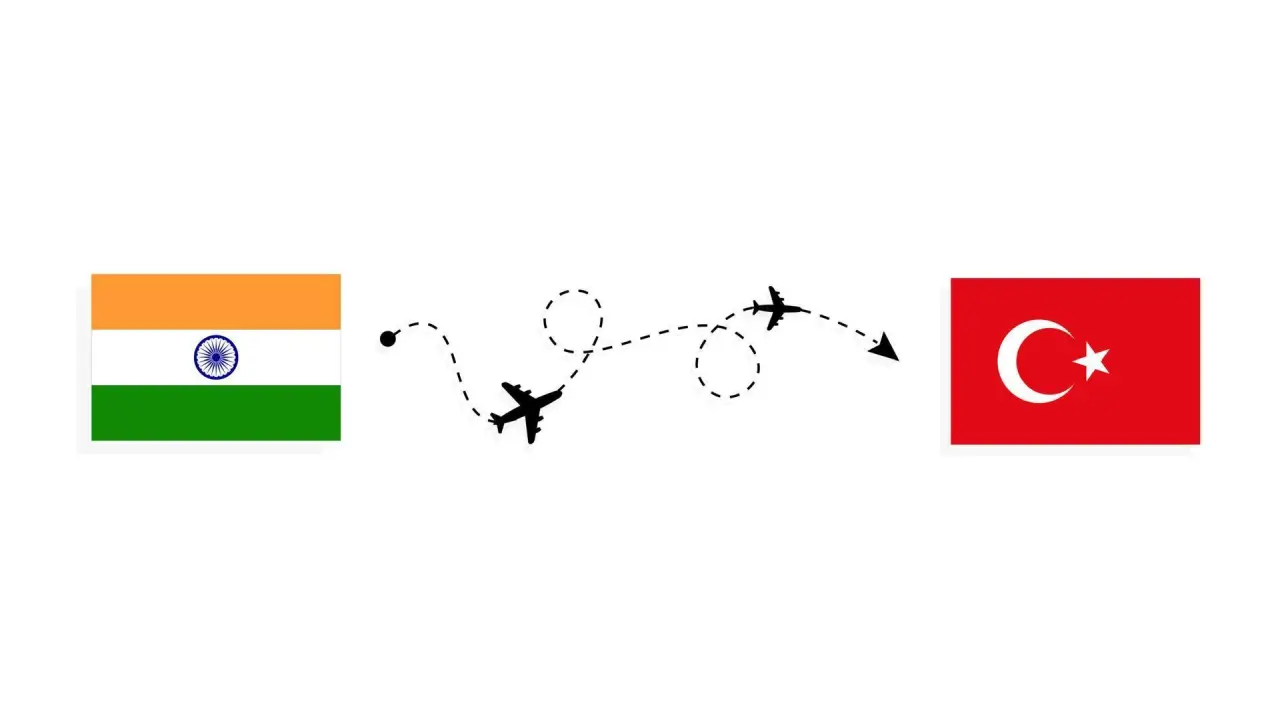
However, what I found while researching and speaking to industry professionals was quite interesting – Türkiye is actively reassuring Indian travelers and the travel trade that it remains a safe and welcoming destination.
In this article, I’ll share my insights, backed by industry updates, ground-level observations, and practical travel advice to help you make an informed decision.
Table of Contents
1. Understanding the West Asia Crisis and Its Travel Impact
Before jumping to conclusions, I believe it’s important to understand the bigger picture.
The ongoing geopolitical tensions in West Asia have significantly impacted global travel. Flights have been disrupted, airspaces restricted, and overall travel costs have increased due to rising fuel prices and insurance costs.
In fact, recent reports show that international travel demand from India has dropped, with travel packages becoming 20–25% more expensive due to these disruptions.
From my perspective as a traveler, this isn’t just about safety—it’s also about accessibility and affordability.
2. Türkiye’s Clear Message: “We Are Open and Safe”
Despite the regional uncertainty, Türkiye has made a strong effort to reassure Indian travel partners.
According to travel trade updates, Turkish authorities and tourism stakeholders are actively engaging with Indian tour operators, emphasizing that:
- Tourist areas remain unaffected
- Flights and tourism services are operational
- Safety protocols are in place
This proactive communication is crucial. In my experience, destinations that stay transparent during uncertain times build more trust among travelers.
3. What I’ve Learned About Türkiye’s Tourism Strategy
One thing I admire about Türkiye is its long-term approach to tourism.
Even before this crisis, the country was focusing heavily on the Indian market – promoting cultural tourism, heritage experiences, and diverse destinations beyond just Istanbul and Cappadocia.
This means that their current reassurance is not just reactive – it’s part of a broader strategy to maintain strong ties with Indian travelers.
4. Ground Reality vs Perception: The Biggest Gap
Here’s something I’ve noticed again and again in travel:
Perception often becomes bigger than reality.
While news headlines highlight conflicts in the region, not all destinations are equally affected. Türkiye, geographically and operationally, continues to function normally in most tourist areas.
However, perception matters. According to travel industry insights:
- Many travelers are postponing trips
- Some are choosing alternative destinations
- Safety concerns are influencing decisions more than facts
As a traveler, I always try to balance both – stay informed, but avoid panic-driven decisions.
5. The Economic Ripple Effect on Travel
Another angle I’ve personally experienced is how global tensions affect travel costs.
Due to the crisis:
- Airfares have increased
- Insurance costs have gone up
- Currency fluctuations are affecting budgets
Reports indicate that overseas travel costs have risen by nearly 20%, impacting travel decisions significantly.
So even if safety is not a direct issue, affordability becomes a major factor.
6. Why Indian Travelers Matter So Much to Türkiye
From my understanding of global tourism patterns, India is now one of the fastest-growing outbound travel markets.
Türkiye has recognized this early. Over the years, it has:
- Simplified visa processes
- Improved flight connectivity
- Promoted Indian-friendly itineraries
This is why the country is making extra efforts to maintain confidence among Indian travelers during this time.
7. My Personal View: Should You Cancel or Continue?
This is where I want to be honest.
If you’re someone who:
- Gets anxious about global news
- Prefers completely stable conditions
- Is traveling with family for leisure
Then postponing your trip might give you peace of mind.
But if you are:
- An experienced traveler
- Comfortable with dynamic situations
- Willing to stay updated and flexible
Then Türkiye is still very much a viable destination.
8. Practical Travel Tips If You’re Planning Türkiye Now
If you’re still considering a trip, here’s what I would personally recommend:
1. Book Flexible Tickets
Choose airlines and hotels with easy cancellation policies.
2. Stay Updated Daily
Follow official travel advisories and airline updates.
3. Avoid Overpacked Itineraries
Keep buffer days in case of delays or changes.
4. Choose Trusted Operators
Work with experienced travel agents who can assist in emergencies.
5. Get Comprehensive Travel Insurance
This is non-negotiable in current times.
9. Alternative Travel Trends I’m Observing
Interestingly, I’ve also noticed a shift in traveler behavior.
Due to uncertainty:
- Many Indians are choosing Southeast Asia
- Domestic tourism is seeing a boom
- Nearby countries like Sri Lanka and Nepal are gaining popularity
This shows how quickly travel trends can change based on global events.
10. The Role of Travel Media and Social Influence
Another important factor shaping decisions today is media and social platforms.
From what I’ve seen:
- News headlines amplify fear
- Social media spreads mixed information
- Traveler reviews create strong influence
This is why I always recommend cross-checking information from reliable sources before making decisions.
11. What This Means for the Travel Industry
As someone deeply connected to tourism, I see this situation as a learning moment.
Destinations like Türkiye are showing that:
- Communication is key
- Transparency builds trust
- Strong relationships with travel markets matter
For travel businesses, this is a reminder that resilience and adaptability are essential.
12. My Experience with Similar Situations
This isn’t the first time I’ve seen global events impact travel.
From pandemics to regional conflicts, I’ve learned one thing:
Travel doesn’t stop – it evolves.
Destinations recover, travelers adapt, and new opportunities emerge.
13. The Emotional Side of Travel Decisions
Travel is not just about logistics – it’s deeply emotional.
When people cancel trips, it’s not just about money – it’s about:
- Lost experiences
- Missed memories
- Delayed dreams
That’s why decisions during uncertain times should always balance logic and emotion.
14. Final Thought: Travel Smart, Not Fearfully
If there’s one thing I’ve learned as a travel blogger, it’s this:
Don’t stop traveling – just travel smarter.
Türkiye, like many global destinations, is navigating a complex situation. But it’s also actively working to maintain its position as a safe and welcoming destination.
Conclusion: A Traveler’s Responsibility in Uncertain Times
As I reflect on everything – from industry reports to my personal experiences—I believe the current situation is not about avoiding travel altogether.
It’s about:
- Staying informed
- Making flexible plans
- Understanding global dynamics
- Respecting personal comfort levels
Türkiye’s reassurance to Indian travelers is a positive sign, showing how important trust and communication are in tourism.
At the end of the day, travel is a personal choice. And as travelers, our responsibility is not just to explore the world – but to do so with awareness, preparedness, and respect for changing realities.
Because no matter what happens globally, one truth remains constant:
The world is still waiting to be explored – just a little more thoughtfully than before.