
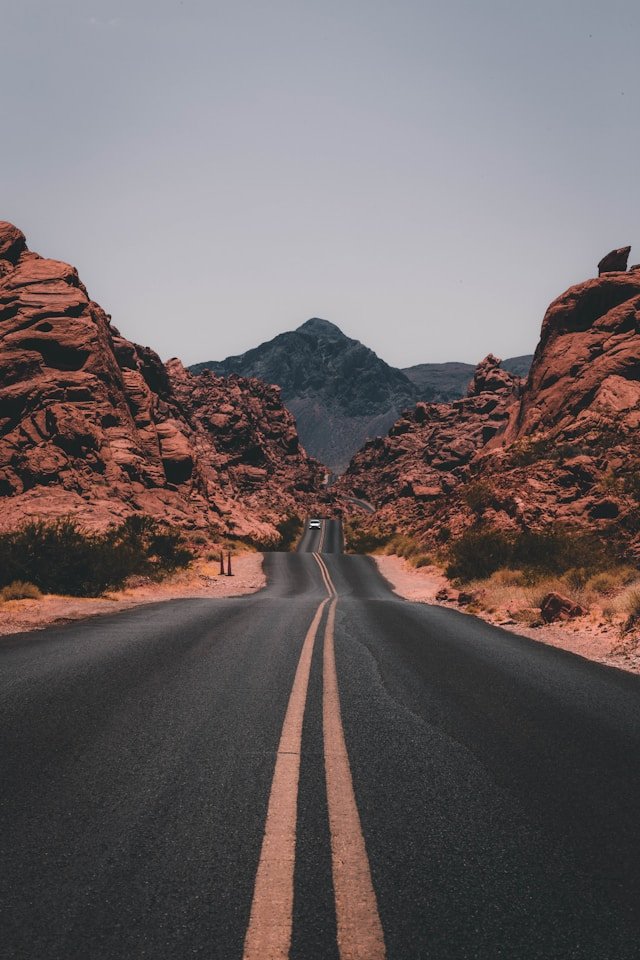
A well-planned travel itinerary is the foundation of a smooth and enjoyable trip. In 2026, travelers are seeking experiences that are efficient, memorable, and tailored to their interests. Whether you’re exploring a new city, embarking on a multi-country adventure, or planning a short weekend getaway, having a clear plan helps you maximize your time, avoid stress, and make the most of your journey.
Start With Clear Goals for Your Trip
Before you begin organizing your itinerary, define the purpose and goals of your trip. Are you looking for adventure, cultural experiences, relaxation, or a combination? Identifying your priorities helps you focus on activities that align with your interests and ensures your time is spent meaningfully.
Consider what experiences are non-negotiable versus optional. For example, visiting iconic landmarks, attending a festival, or trying local cuisine might be top priorities, while other attractions can be flexible. Knowing your goals allows for better planning and helps prevent feeling rushed or overwhelmed.
Research Your Destination Thoroughly
Comprehensive research is essential for creating a practical itinerary. Look into transportation options, local customs, seasonal events, operating hours for attractions, and safety considerations. Travel blogs, official tourism websites, and travel apps provide valuable insights for planning efficiently.
Understanding local geography and transportation options helps in grouping activities by location, reducing travel time between sites. Additionally, researching potential costs and admission fees enables better budgeting and prevents surprises during your trip.
Determine the Duration of Your Trip
Knowing how long you will be traveling is key to structuring your itinerary. Short trips require prioritizing key experiences, while longer journeys allow for a more relaxed pace and the inclusion of secondary attractions.
Be realistic about what can be accomplished each day. Overpacking your schedule can lead to fatigue and stress, whereas a balanced approach ensures you enjoy each activity without feeling rushed.
Organize Activities by Location
Grouping activities by location is an efficient way to minimize travel time and maximize experiences. Plan to visit nearby attractions on the same day, and leave room for flexibility in case of delays or spontaneous opportunities.
For example, if visiting multiple museums in a city, schedule them sequentially to reduce back-and-forth travel. Efficient route planning allows for more leisure time and helps maintain energy throughout your trip.
Allocate Time for Rest and Spontaneity
While it’s tempting to fill every moment with activities, it’s important to schedule downtime. Travel can be physically and mentally demanding, and rest periods help you recharge and fully enjoy your experiences.
Include buffer times for meals, relaxation, or unplanned discoveries. Some of the best travel moments come from spontaneous adventures, so leave space in your itinerary for flexibility.
Incorporate Transportation and Logistics
Your itinerary should account for travel time between destinations, including flights, trains, buses, or local transportation. Factor in check-in and check-out times, potential traffic delays, and transfer times to avoid stress.
Using digital maps and travel apps can help optimize routes and provide real-time updates. Accurate planning of transportation ensures a smooth flow of activities and minimizes the risk of missed connections.
Prioritize Experiences Over Quantity
Quality often outweighs quantity when it comes to travel experiences. Focus on meaningful experiences that align with your interests rather than trying to see everything. Spending more time at a few key sites often creates richer memories than rushing through numerous attractions.
This approach allows for deeper exploration, better engagement with local culture, and the ability to truly savor each moment.
Include Meals and Local Cuisine
Food is an essential part of travel, so include meals and culinary experiences in your itinerary. Research popular local restaurants, street food markets, or unique dining experiences.
Scheduling meals around activities ensures you remain energized and prevents unplanned delays. Trying regional cuisine also provides cultural immersion and adds another layer to your travel experience.
Use Digital Tools for Organization
Digital tools simplify itinerary planning and tracking. Apps like Google Maps, TripIt, or travel-specific planners allow you to store reservations, map routes, and set reminders for activities.
Having a digital itinerary accessible on your phone ensures you can make adjustments on the go, reducing stress and keeping your trip organized. These tools also help share plans with travel companions for better coordination.
Include Emergency and Backup Plans
Unexpected events can occur during travel, such as weather changes, delays, or closures. Incorporate backup options and emergency contacts into your itinerary to stay prepared.
Having alternative activities or flexible plans ensures that your trip remains enjoyable even when unforeseen circumstances arise. Being proactive allows you to adapt without compromising the overall experience.
Review and Refine Your Itinerary
Before your trip, review your itinerary carefully. Check that all bookings, transportation, and reservations are confirmed. Ensure your schedule balances sightseeing, rest, and flexibility.
Ask yourself if each day’s plan feels realistic and enjoyable. Adjust as necessary to avoid overcrowding and to ensure a smooth flow from one activity to the next.
Conclusion: Maximize Your Travel Experience
Creating the perfect travel itinerary is about balancing structure and flexibility. By setting clear goals, researching destinations, organizing activities by location, and allowing time for rest and spontaneity, you can craft a plan that enhances your journey.
In 2026, effective itinerary planning leverages both digital tools and practical strategies to ensure a stress-free, enriching travel experience. A well-thought-out itinerary not only saves time and money but also allows you to focus on making memories, exploring new cultures, and enjoying every moment of your trip.

